The View From the Hill
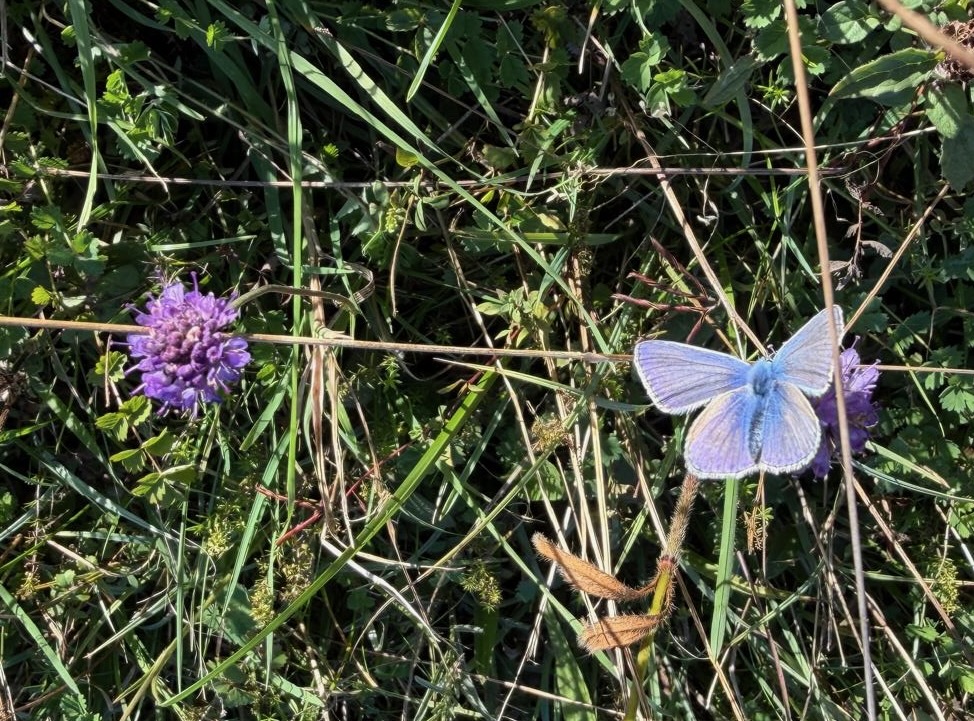
We may have moaned about the drought and extreme heat of the earlier summer, but it did mean that flowers and butterflies had a great year, and into September, as it cooled off a bit, walking and exploring was once again a huge pleasure, so many butterflies. Here we find a Common Blue feeding on Devil’s Bit Scabious on our chalk downland. The Devil’s Bit member of the scabious family has much richer and deeper colour than the common variety, and only appears late in the season. We have been awash with Clouded yellows this autumn too, they are immigrants who arrive on the wind currents from the European mainland every year, there are only two relatively common yellow butterflies to be found in the UK, the other being the Brimstone, which is more commonly found in the north, and is a greener yellow. The female’s wings are a very pale green, whereas the male is yellow green on the underside, and yellow on the upper.
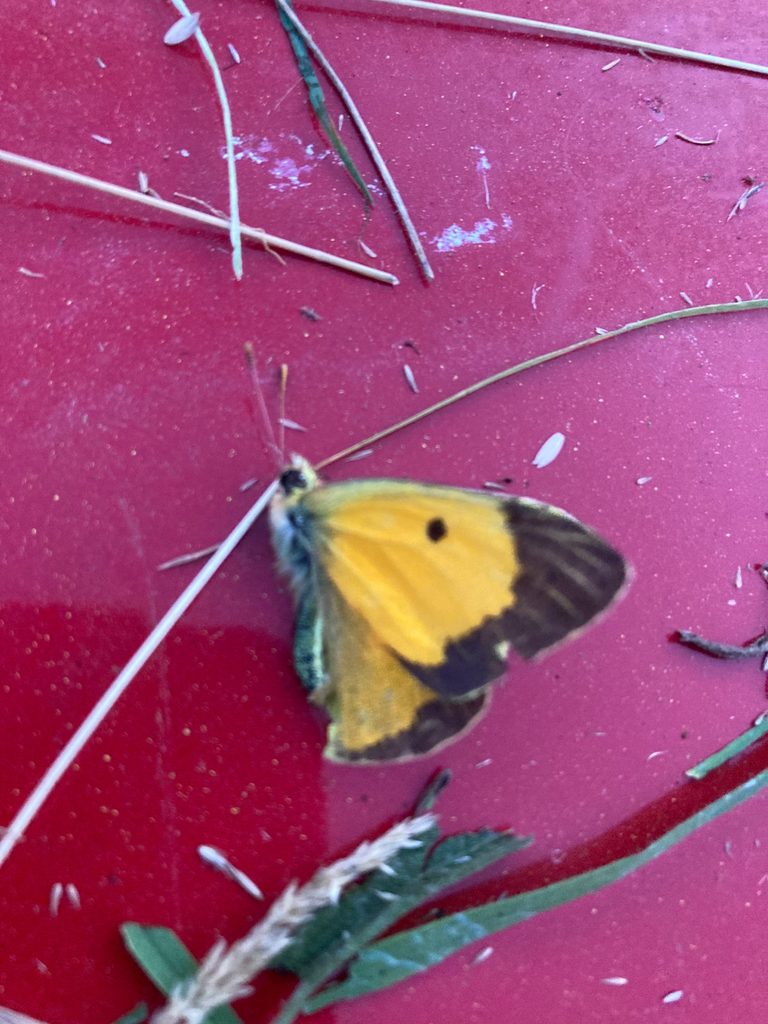
The Clouded is yellow on the under side, with a few dark spots, and on the upper side has a dark area around the edges, and larger dark spot.
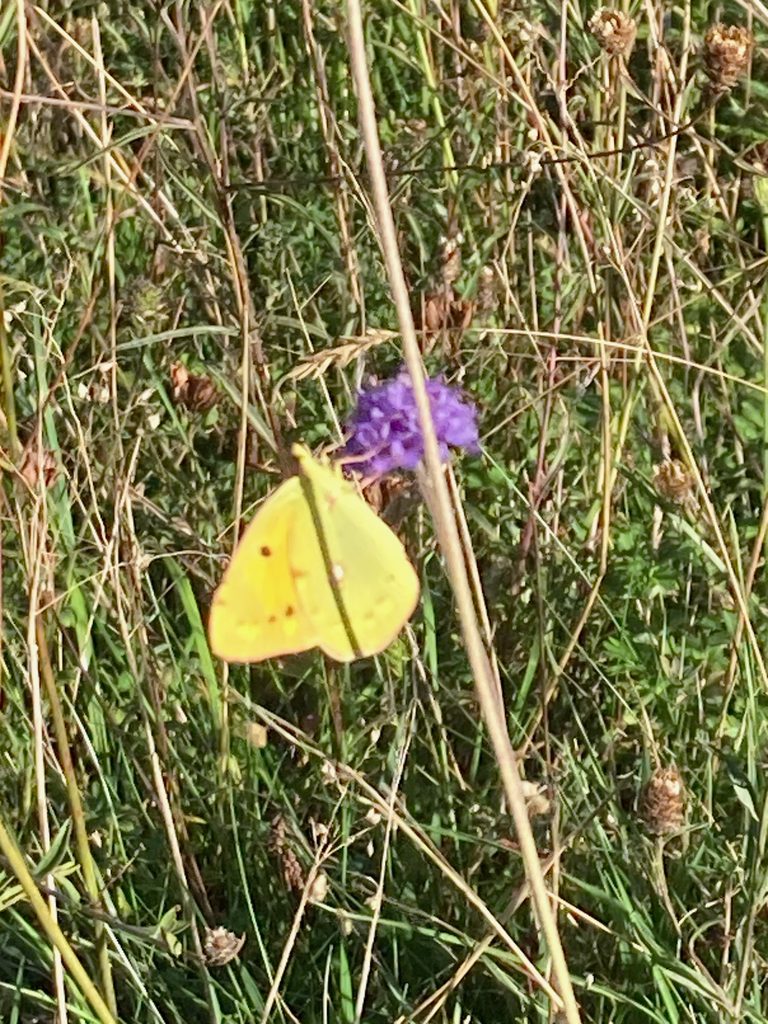
This one on the left feeding on Devil’s Bit Scabious, clearly popular.
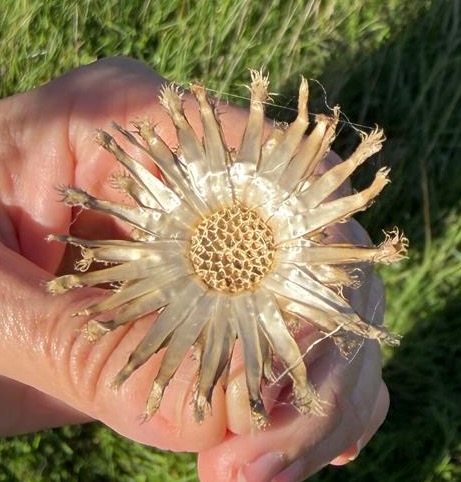
Our jeweller friend Becky picked this empty Greater Knapweed seedhead whilst walking across our downland around the same time as the seed harvesting, and immediately suggested it would make a great model for a silver brooch, I very much look forward to the result!
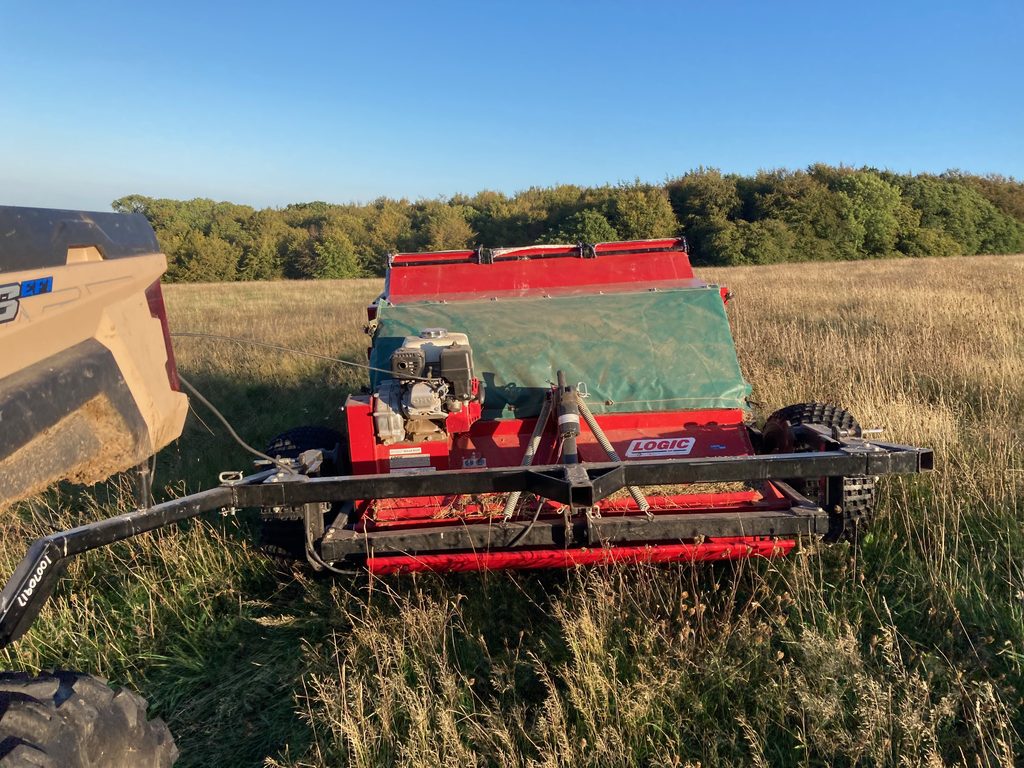
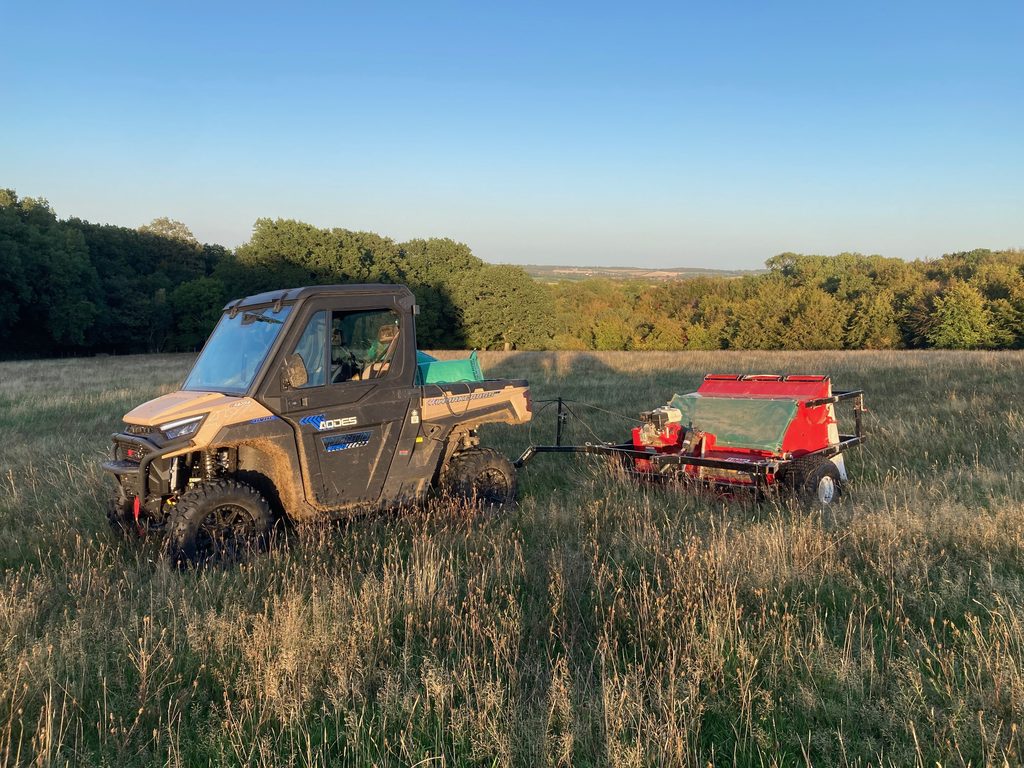
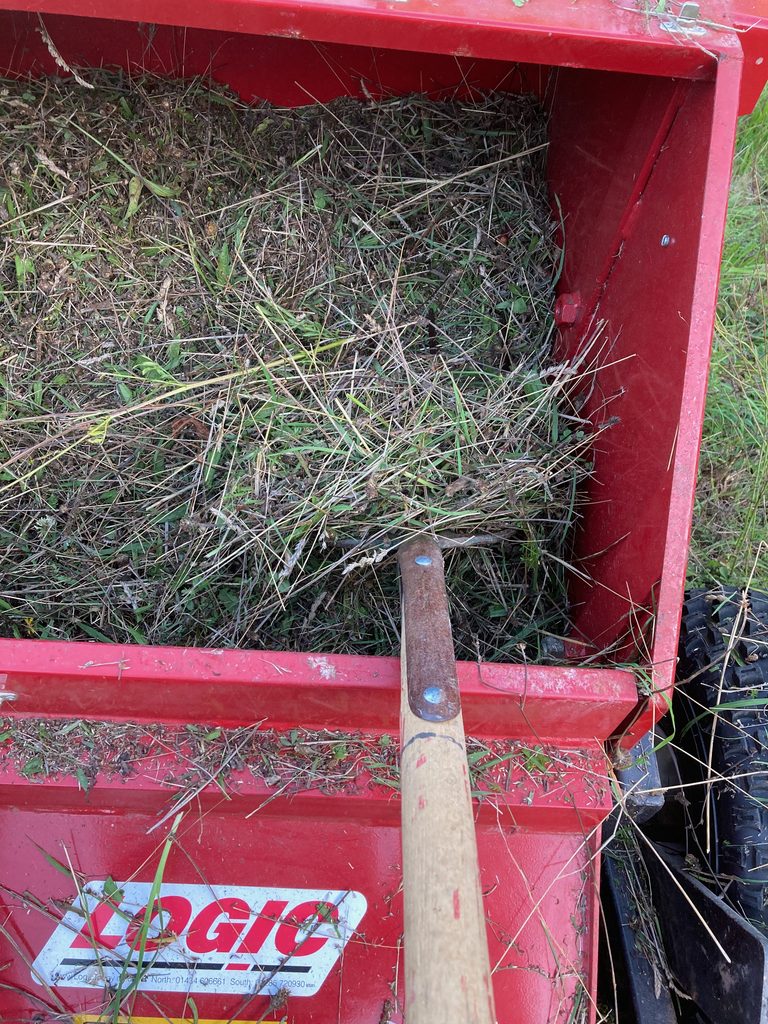
This year we have been keen to harvest some of the wildflower seeds on the downland and were very fortunately able to hire the brush harvester belonging to our neighbouring cluster group. We now have several heaps of drying seeds and lots of leaf and broken stem which needs lots of sieving and bagging up to keep for sowing next year. We hope to establish more wildflowers in various places on the farm, using the appropriate genetics possessed by these home grown and long-established plants. Unfortunately there are some downsides to the brush harvesting, such as butterflies that don’t fly away before the machine sweeps them in, this explains the upper wing (yellow/black) of the dead Clouded yellow on the red background above, being visible in the picture as it is folded the wrong way.
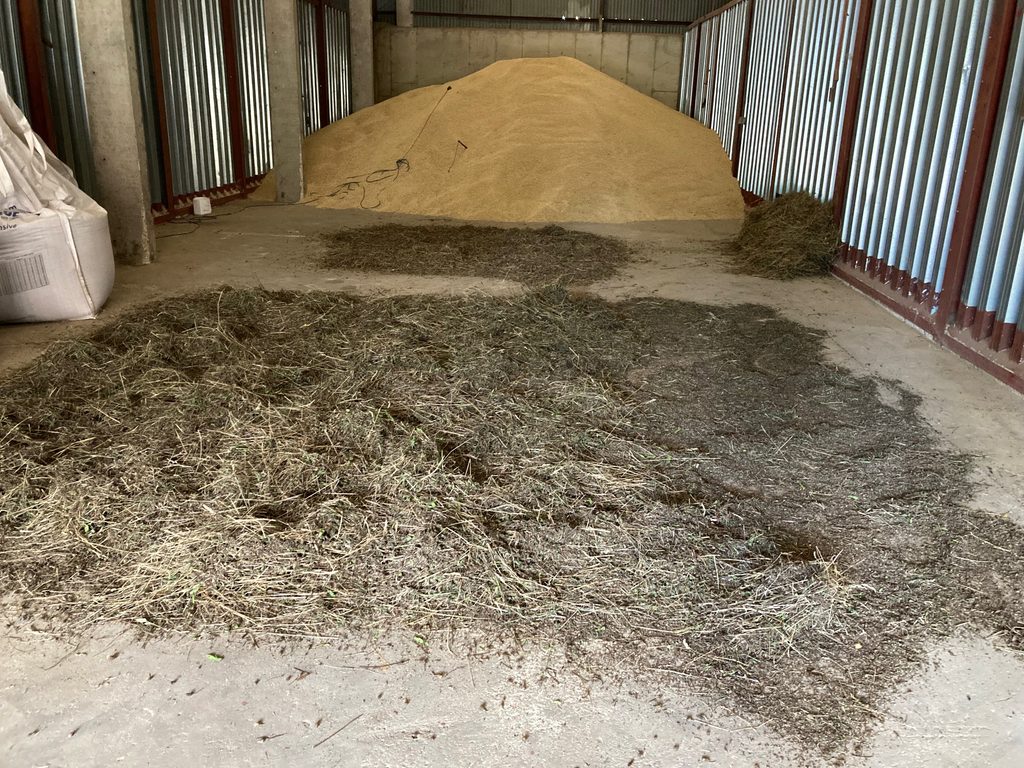
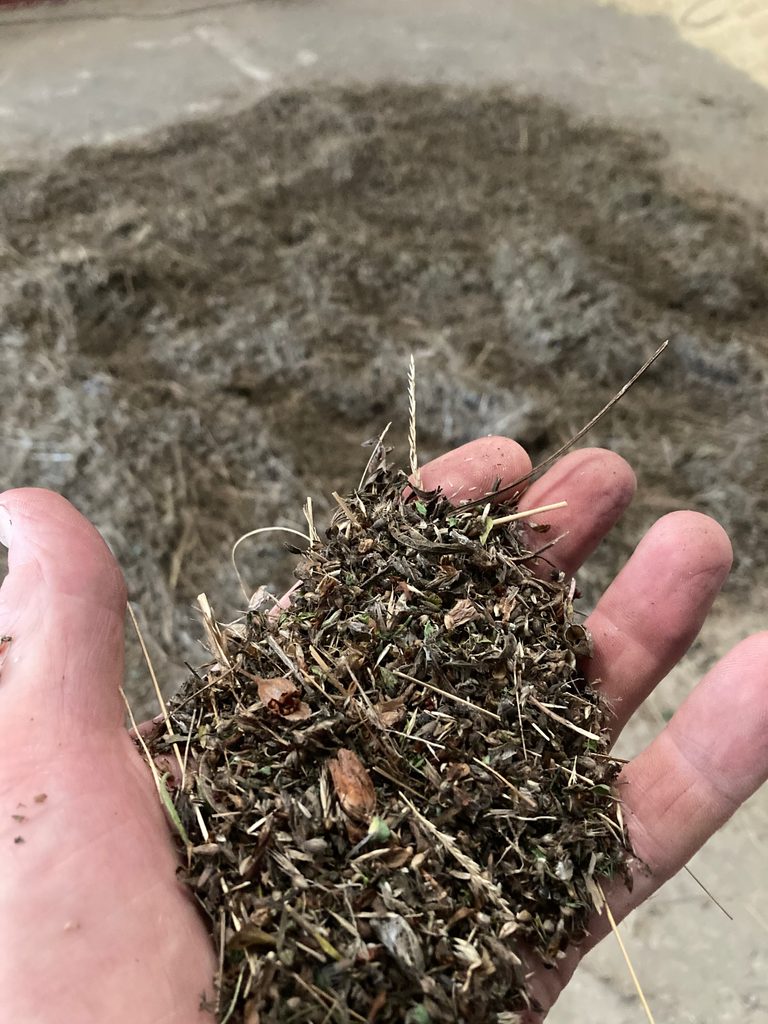
It doesn’t take long to fill the box with seeds stems and leaves, which need a good shaking and removal with a fork after a couple of turns of the field, then stuff the precious seed fraction into bags to take back to the barn to spread on the floor, and turn daily until it seems dry. I just hope we have managed to capture a good variety of the many species growing here. We won’t really know for a year or more, as they are not all likely to germinate in the first year. The field in these pictures was itself established in the same way back in 2010, when a contractor did the harvesting for us as we were novices back then. It took a few years to become well established, but now it has a wide selection of species thriving. The cowslip seed heads still contained seeds at the time of harvesting, and they are always first to flower, in April. With so little rain through the summer to knock seeds onto the ground, or to cause disease in the flowers, I am cautiously hopeful we have caught a good selection.
If this were a quiz I would now be asking you dear reader to identify the following picture, it is a curious item, I collected three in the brush harvester over a couple of days, at first I thought it was a fungus, a baby puff ball maybe. But it was soft and squishy, almost like a half inflated mini basket ball.
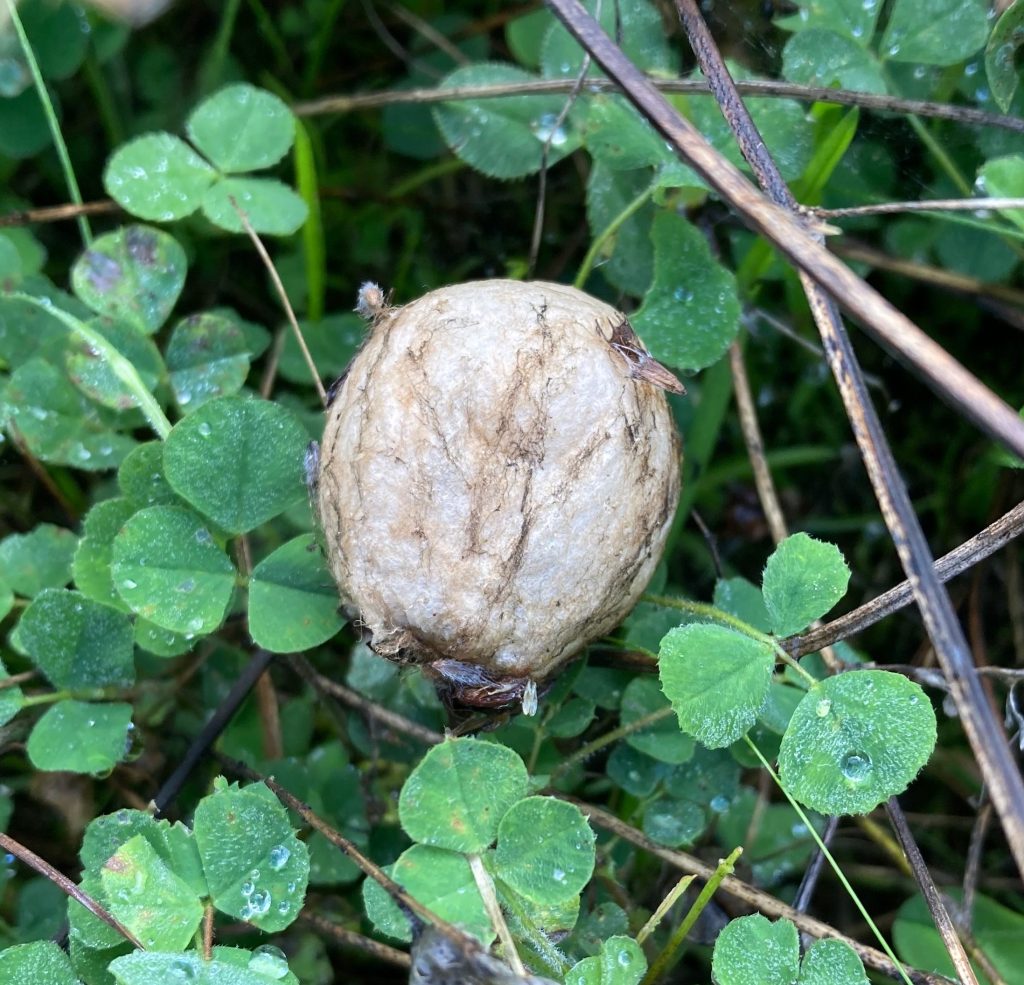
I asked several friends who, being cleverer than me, should have known, but they failed! My curiosity finally got the better of me so I gently cut it open, to discover a teaming mass of tiny spiders. I then did some more googling, and eventually arrived at the answer, it is the egg sac of the Wasp Spider, a beautiful creature I have seen in our downland a number of times. It creates this amazing and surprisingly tough skinned ball, and lays its eggs into it, then leaves it to fend for itself, simply lain deep in the pasture, until the next warm season, when the tinies find their way out and set about growing into adult Wasp spiders, if they are not eaten by someone bigger first.
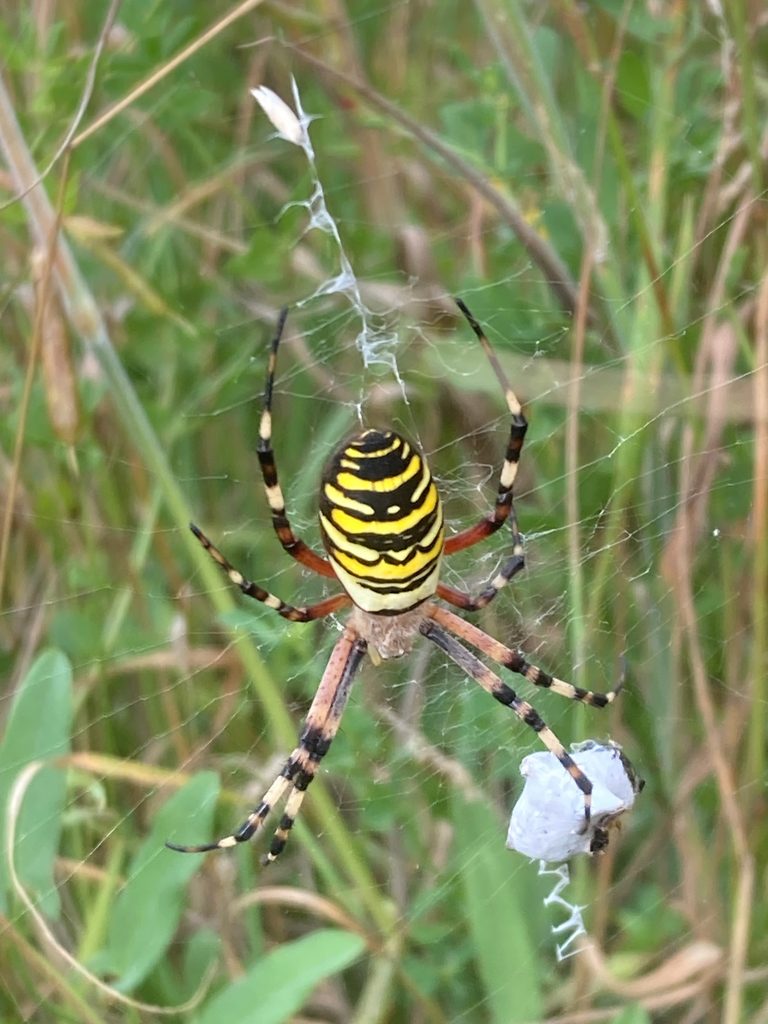
I feel sure I have ruined the future of these little creatures, condemning them to an early death as supper to some greedy beetle or scavenging bird, the other sacs I returned to suitable habitat in which to sit out the winter.
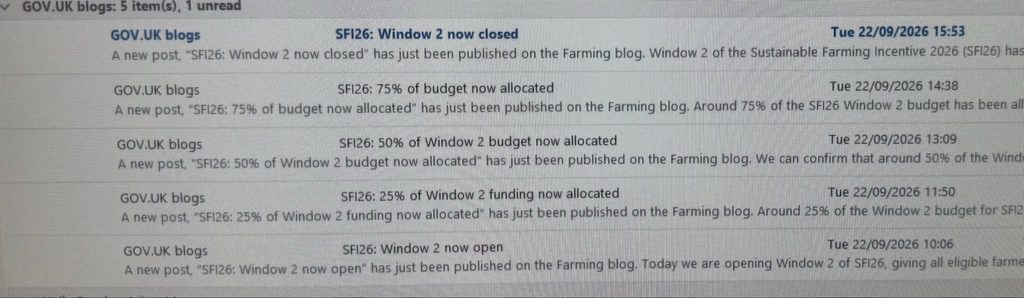
Losing oneself in a job like this is a joy, especially as we have just endured probably our poorest harvest in a great many years due to the drought and heat. On top of that we had the fiasco of the Sustainable Farming Incentive application window which opened and closed in less than 6 hours on September 22nd. A date now as ignominious as March 11th 2025, when the previous round of SFI closed suddenly and without warning, just before we and many other farmers managed to press the button on our applications. Many many farmers have been caught out in similar fashion this time, very luckily ours went smoothly and we landed an agreement. Not a remotely suitable way to run the recovery of the UK’s supposedly depleted environment however, fastest finger first? What a joke.
This screenshot shows the progress of applications by farmers across the country as the day unfolded. I wrote about this in more detail in Dorset Life last month, it now sits on my blog here, if you can face it!
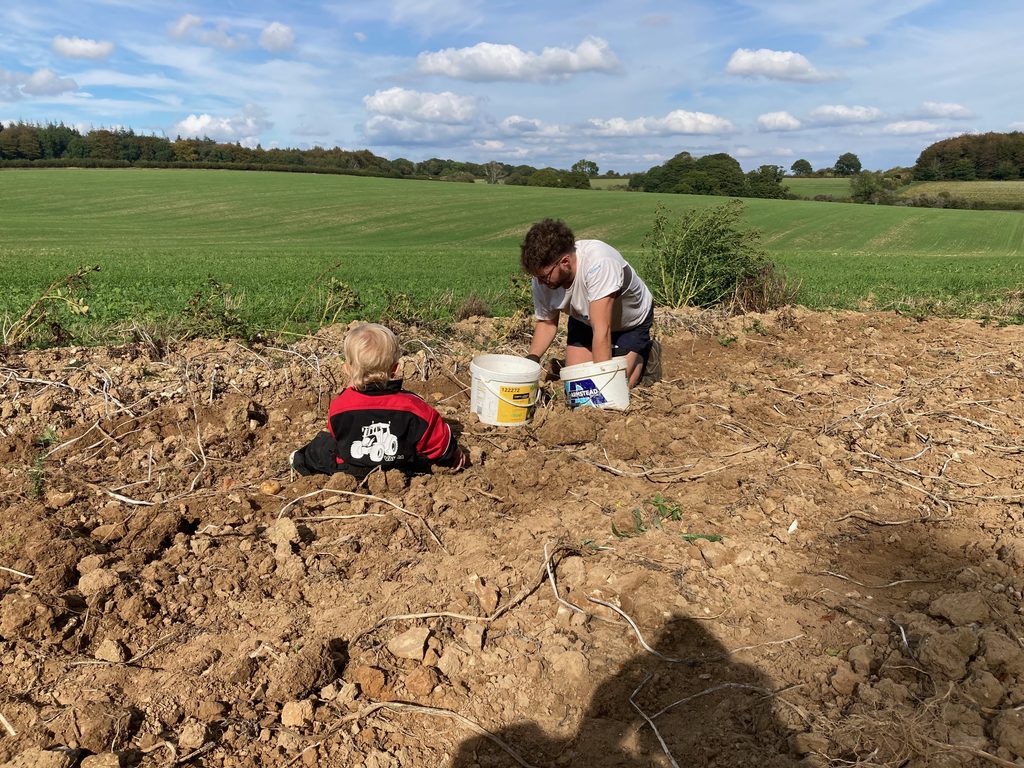
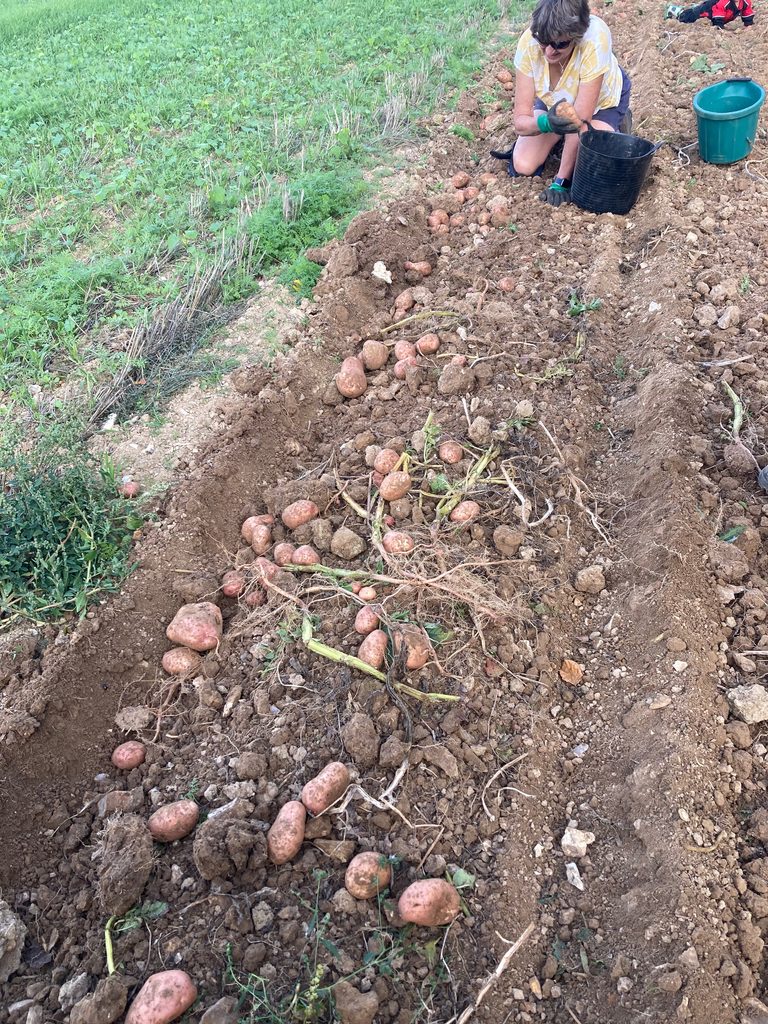
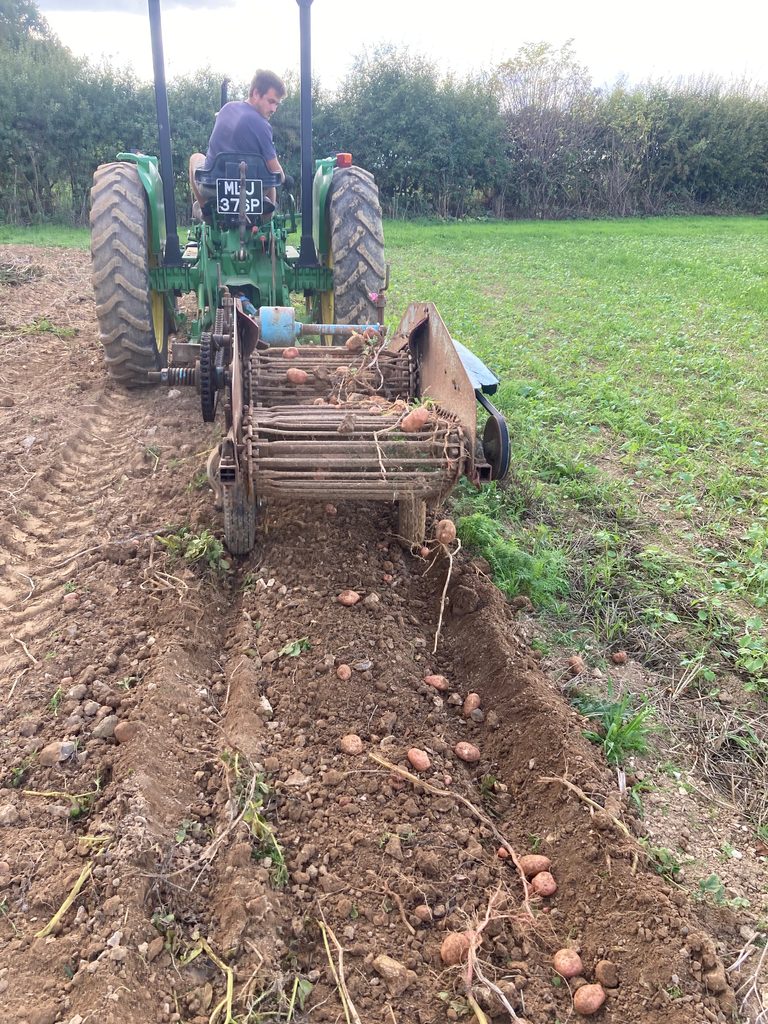
All hands to the spud field a few weeks ago, it was amazing to find what lay beneath ground level considering the shortage of moisture through the season, also no fertiliser or chems. Cara and Sarpo Mira were the best samples, nice plump spuds.
The soil this year was much less stony than last, when the web jammed up repeatedly. Fred’s repairs to the lifter, and a better field made all the difference.
On a rather different note, I recently made the schoolboy error of lingering for too long in the fruit and veg aisle of our local Tesco, at the time of year when an Englishperson might expect English supermarkets to be heaving with lovely English fruit and veg. Is it unfair to expect our major retailer to show some kind of loyalty to English growers ?
Unfair – no
Unrealistic – YES it turns out.
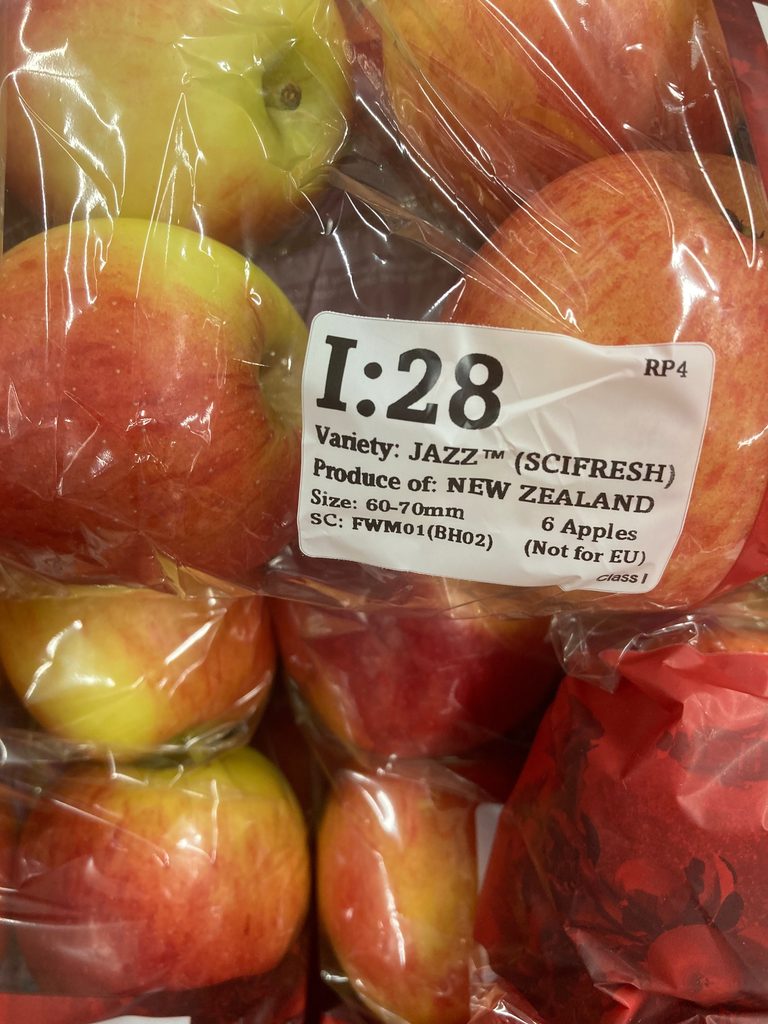
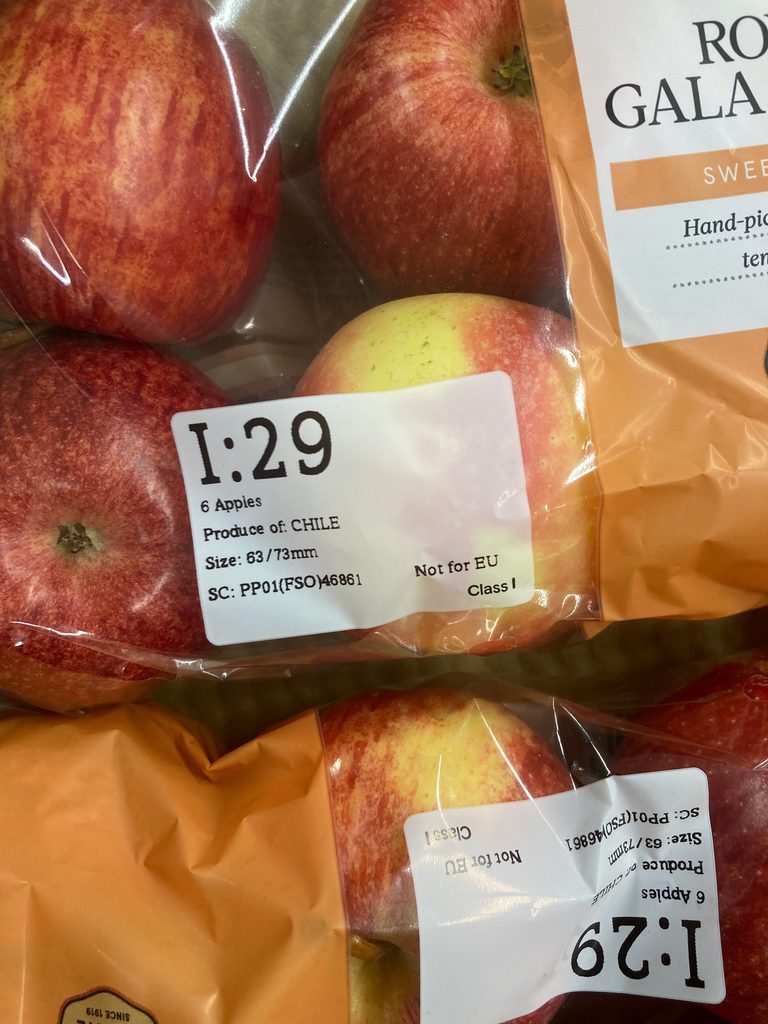
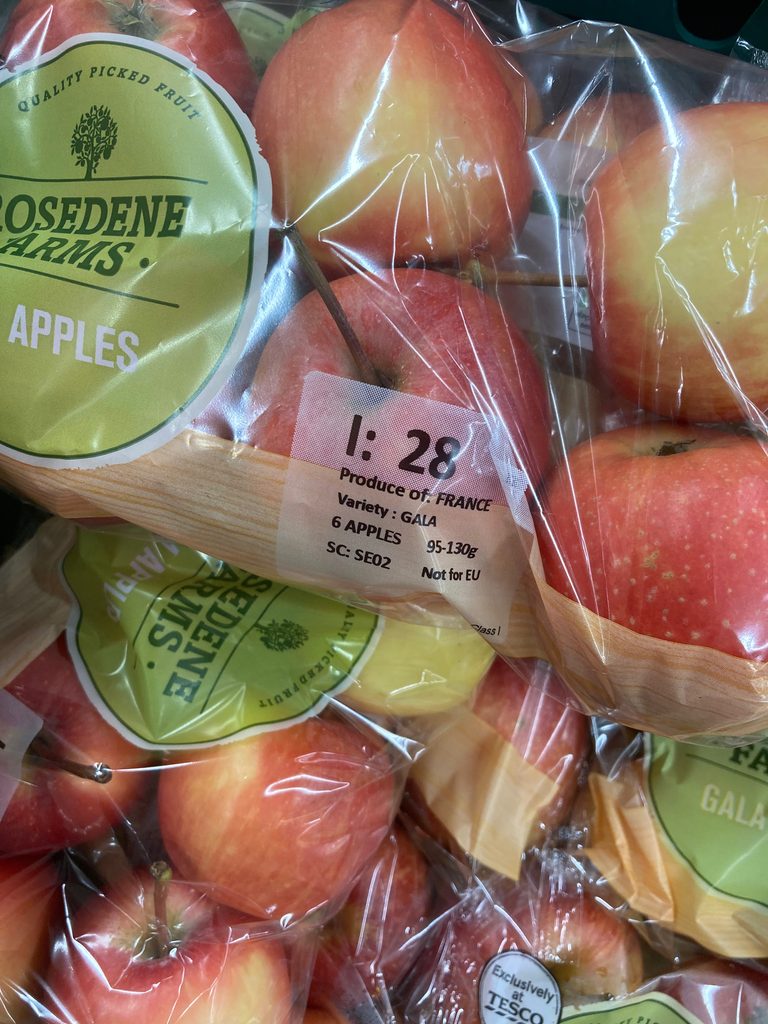
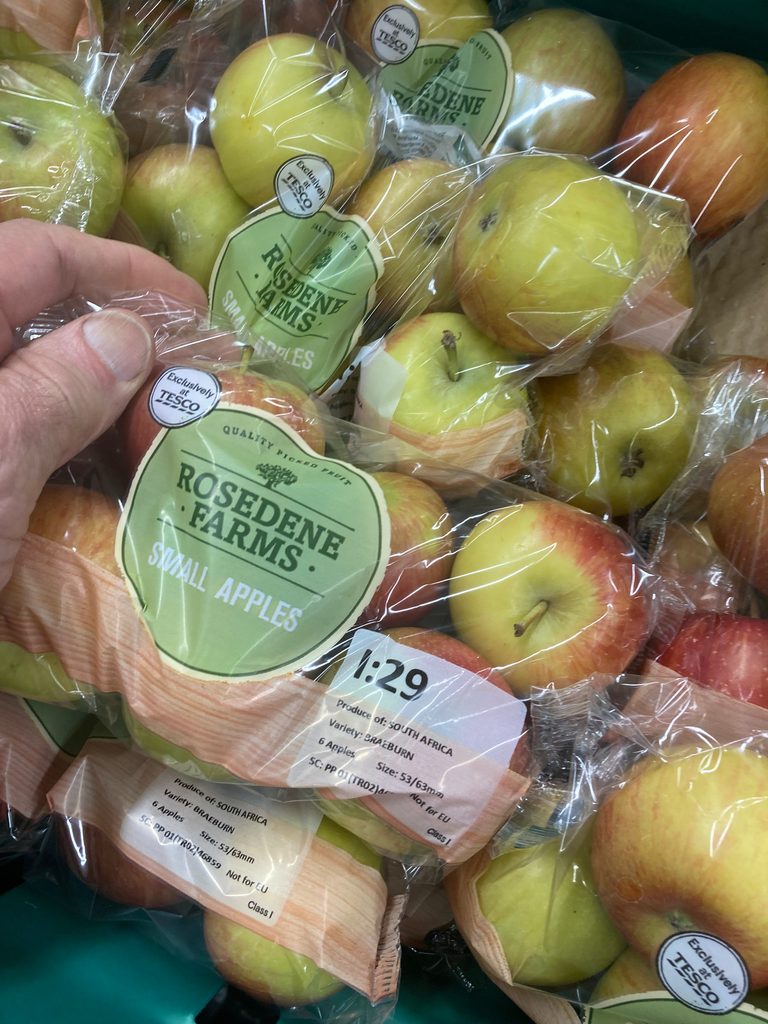
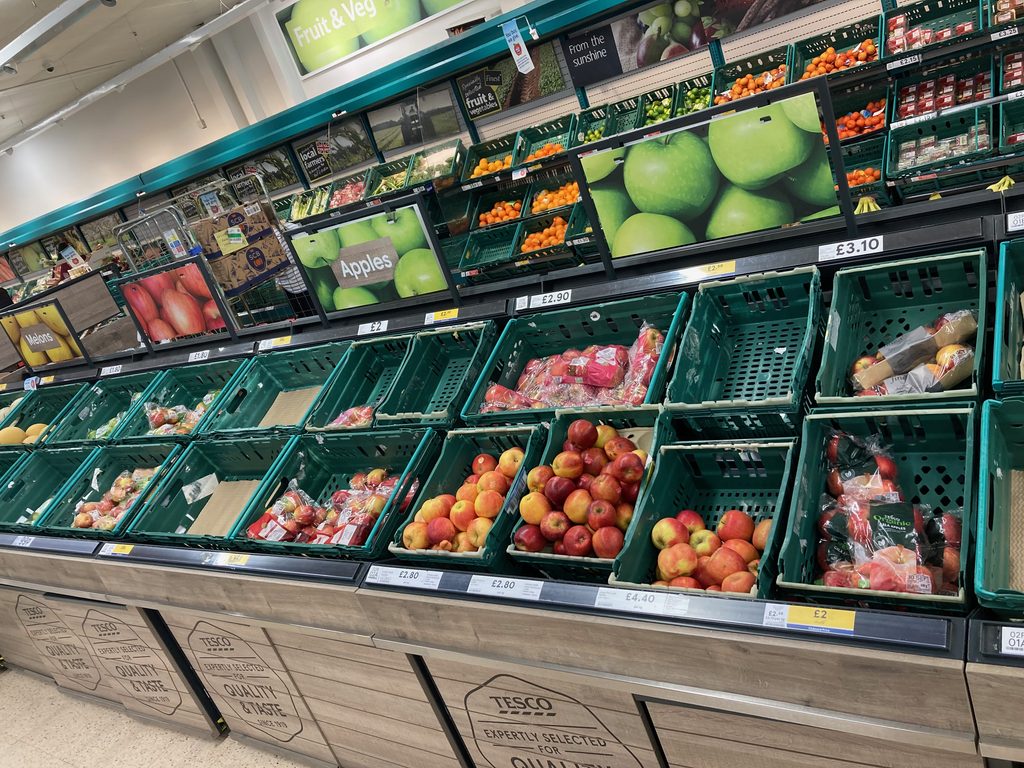
What a disgrace to find less than a quarter of the apple shelf space taken up by English Apples, in September and October. Why, oh why, do Tesco consider it acceptable to bring in apples from South Africa, Chile and New Zealand at all, let alone at this time of year, and to display very many more foreign ones than home grown? Does the customer really prefer to buy food loaded with the environmental cost associated with such distances? (Do they ever read the label of origin?) I cannot believe that consumers are asking supermarkets for apples from the opposite side of the world at the same time that England is harvesting apples, in a climate more suited to apple growing than almost anywhere else in the world.
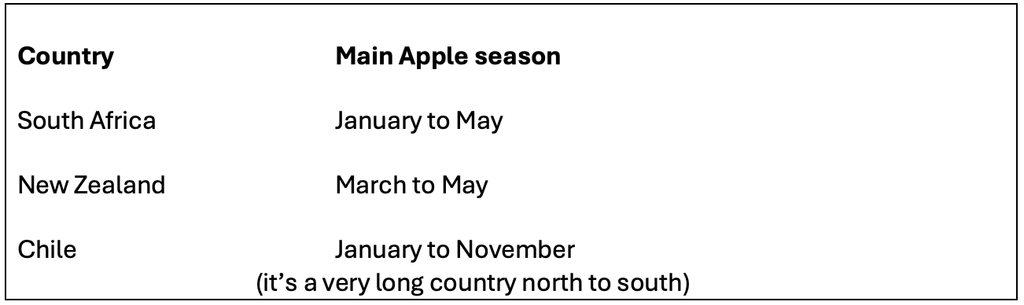
These foreign apples from the southern hemisphere have clearly been stored for many months, and are not technically ‘fresh’. Why import them when we have truly fresh apples grown here? If our own apple industry was properly supported by the retailers (who, without food to sell would not have a business model at all), we would be able to provide all the apples required at home. What is more English than an apple?
I fully accept that apples vary greatly in taste and texture, but I would point out that English growers (the few that remain perhaps) are capable of growing very diverse types of apples, and the technology commonly exists to store them in very good condition for many months. When my own have run out I can always buy English apples in shops right through to June and July every year, which must have been stored for at least 10 months.
To add insult to injury, the supermarket is using one of its fake farm brands (Rosedene in this case, presumably to make it look more local and friendly, why else would they do it?) to promote apples from South Africa.
If Mr Tesco responds by saying that he can’t source enough English apples to cover demand, I would respectfully point out that it would have been exactly this kind of behaviour over dozens of years that has already driven so many fruit and veg growers out of business, and that if he continues with such behaviour the same will happen with all the other food products that can be grown here, which he imports in order to screw English growers to the floor.
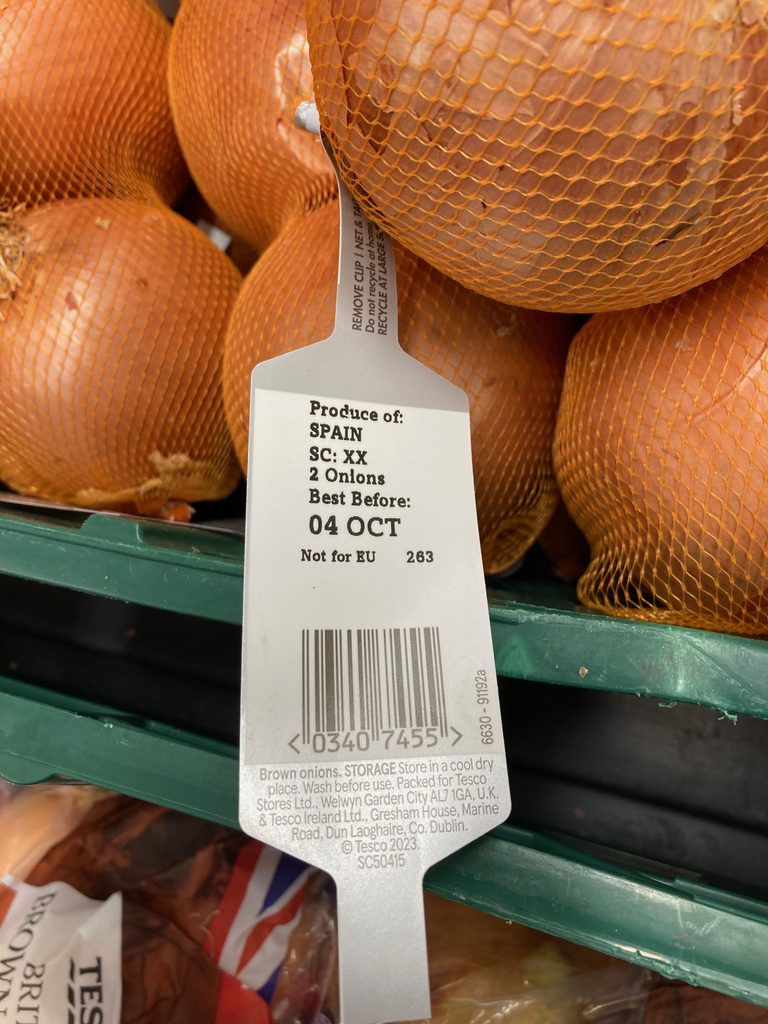
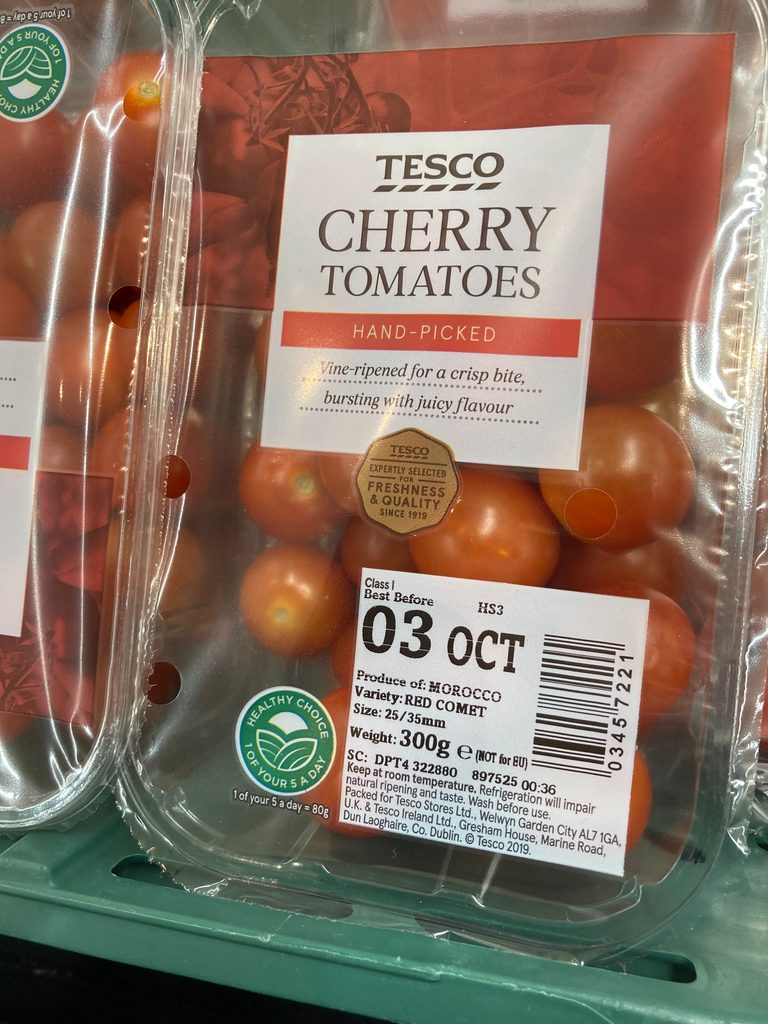
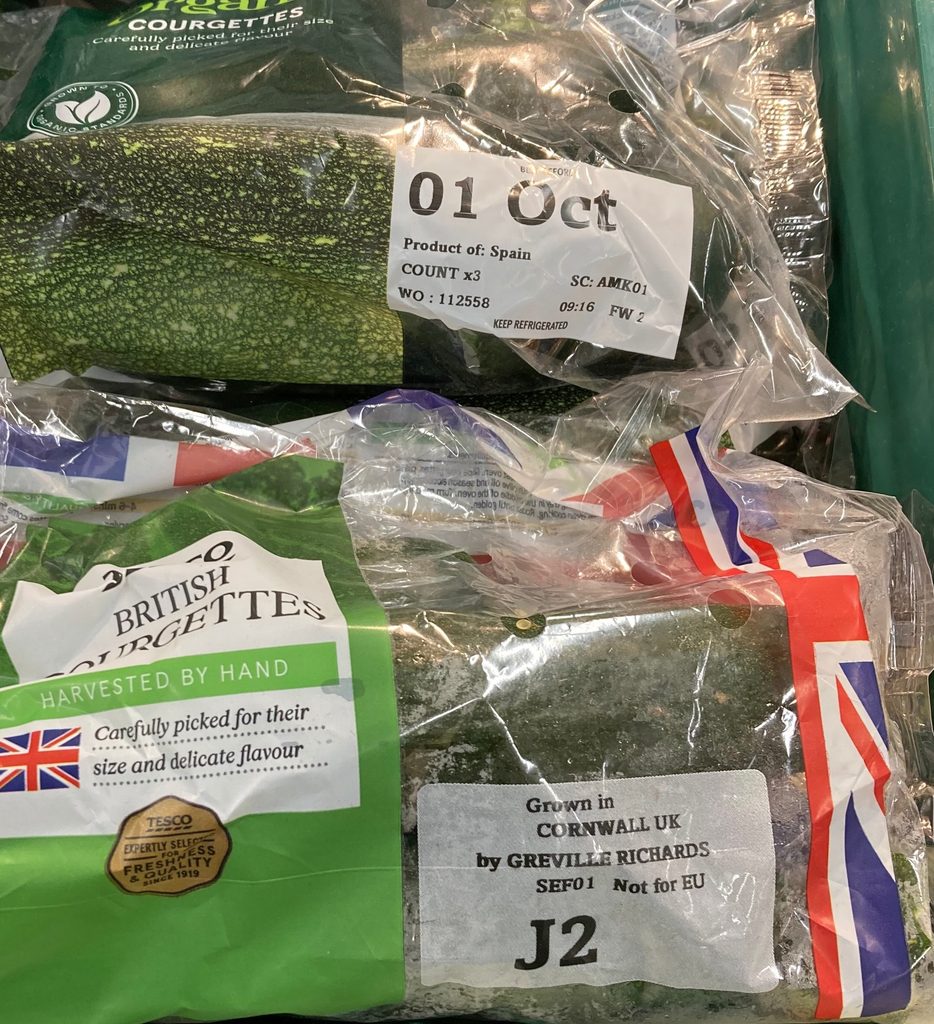
The reason I accentuate Englishness here is that agriculture policy in the other UK nations is devolved, and in all cases agricultural and horticultural policy is different to that applying in England, to the benefit of the producer in most cases.
Mushrooms from Poland and Cambridgeshire in identical packaging, pigmeat from who knows where in the world in identical packaging to pigmeat grown in England, the same with chicken and a host of other foods. When are we going to learn to value the importance of home-grown food ? We have a food trade deficit of £21 BILLION in the first 6 months of this year. Is this OK?
When things get really bad, when we are down to our last 3 tins of beans and the last bag of carrots, English farming having long since given up, and climate change rendering into desert all the countries we import food from, what will we do then?
But wait a moment, we still have a technically proficient and efficient food system in England, with farmers and growers at its root. There are allotment holders and gardeners who feed themselves almost exclusively on their own home-grown food all year, preserving and drying to extend storage periods.
One problem is that commercial food production in England is barely profitable since the EU’s Basic Payment Scheme was removed as part of Brexit. English farmers must compete with food from other countries, including our nearest neighbours, where that support still exists. It is and always was a subsidy to enable growers to produce food at below the cost of production and acted as a cushion to give growers the confidence to plant next year’s crop, especially if the previous year had been a bad one, due to weather/climate or wars overseas upsetting the markets for fuels fertiliser and basic internationally traded foodstuffs. Which is exactly where we find ourselves.
We in England are in uncharted territory. Our farmers and growers are expected to compete with imported foods often produced in ways which are illegal here and are usually subsidised. The Sustainable Farming Incentive (SFI) was supposed to have been the central plank in the post-Brexit new world where public money for public goods would provide reward to growers for farming in a more environmentally friendly way, to repair or replace long lost habitat. The last round, in September, rewarded just 12,000 lucky keyboard warriors, out of 40,000 who applied. It ‘ran out of money’.
Is this a betrayal, is it happening by accident, or is it deliberate?
The amount of money required to give SFI agreements to the unlucky 28,000 is the same as the amount required to run the NHS for 18 hours.
Rant Over.
And on a lighter note……..
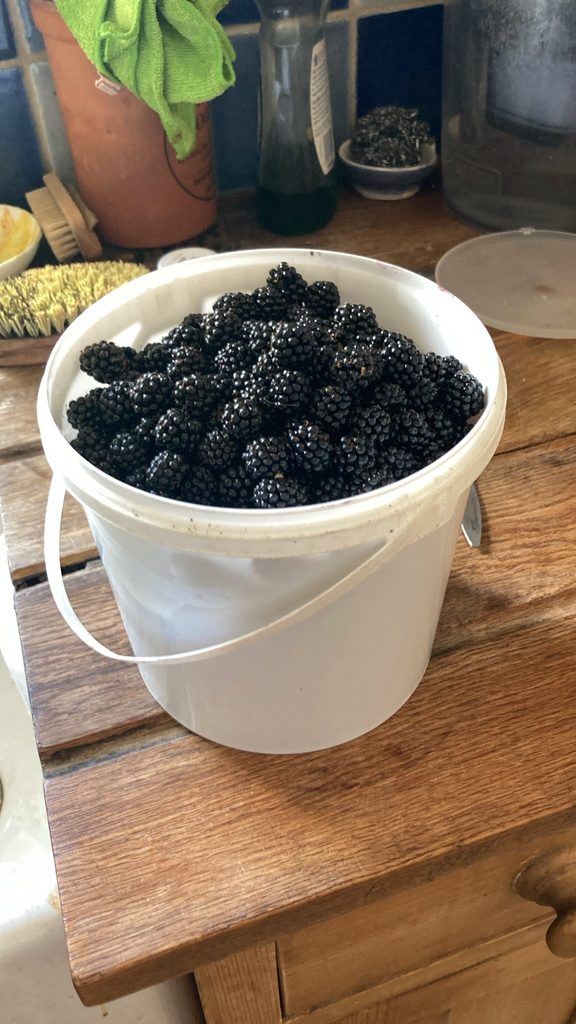
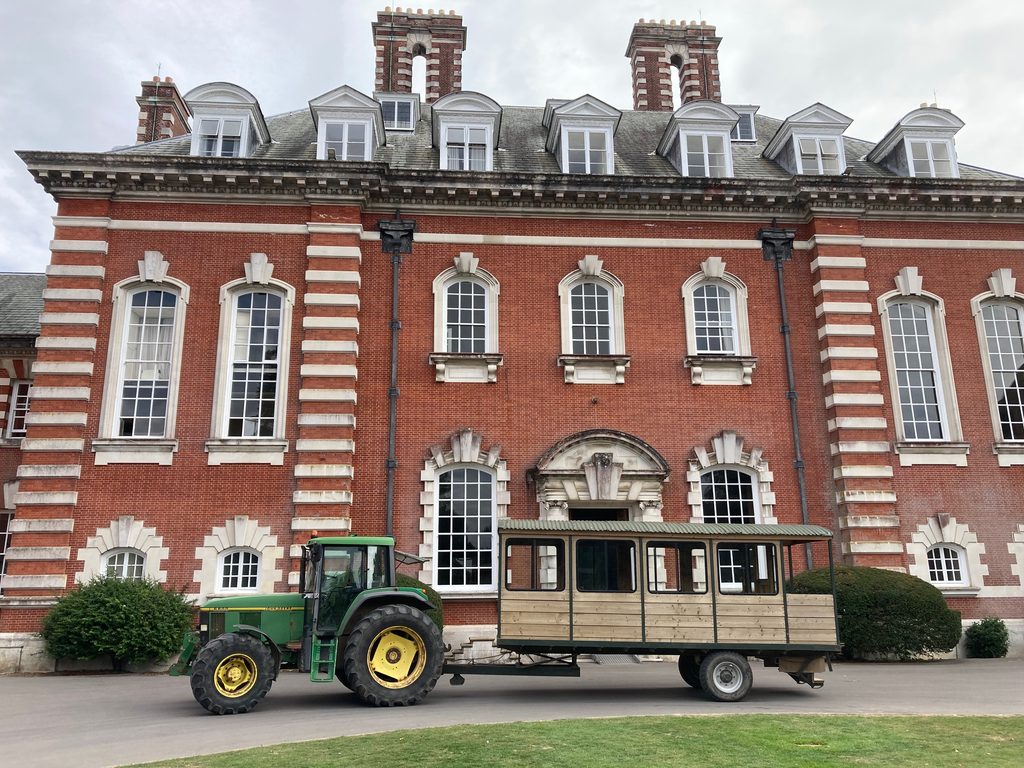
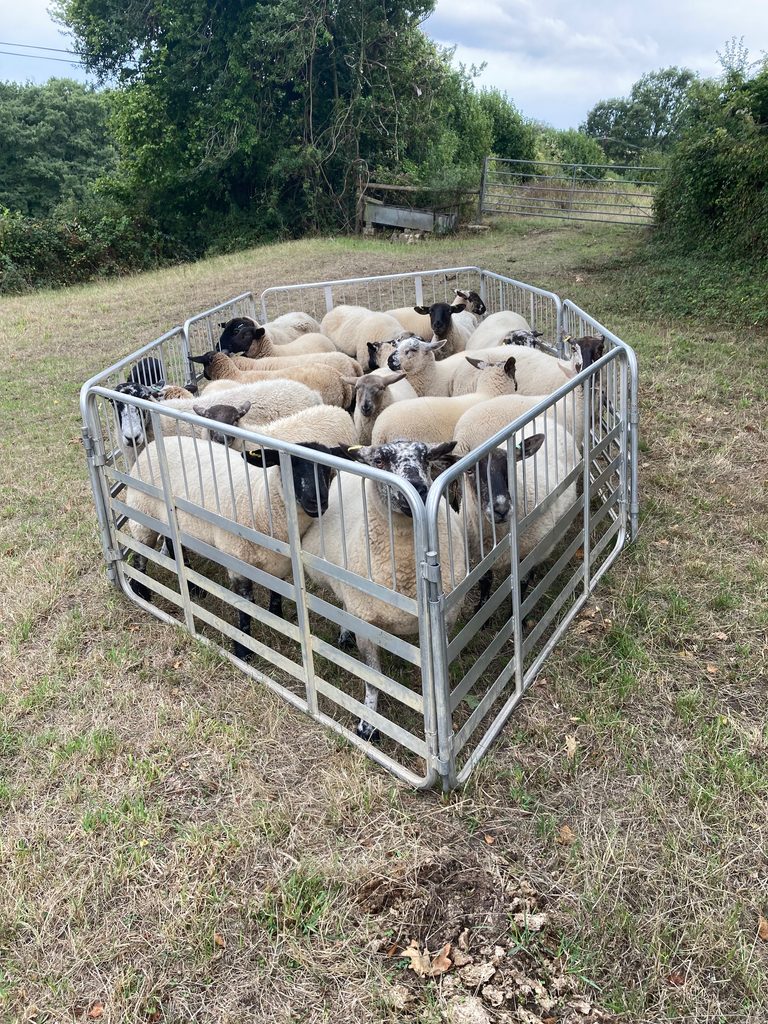
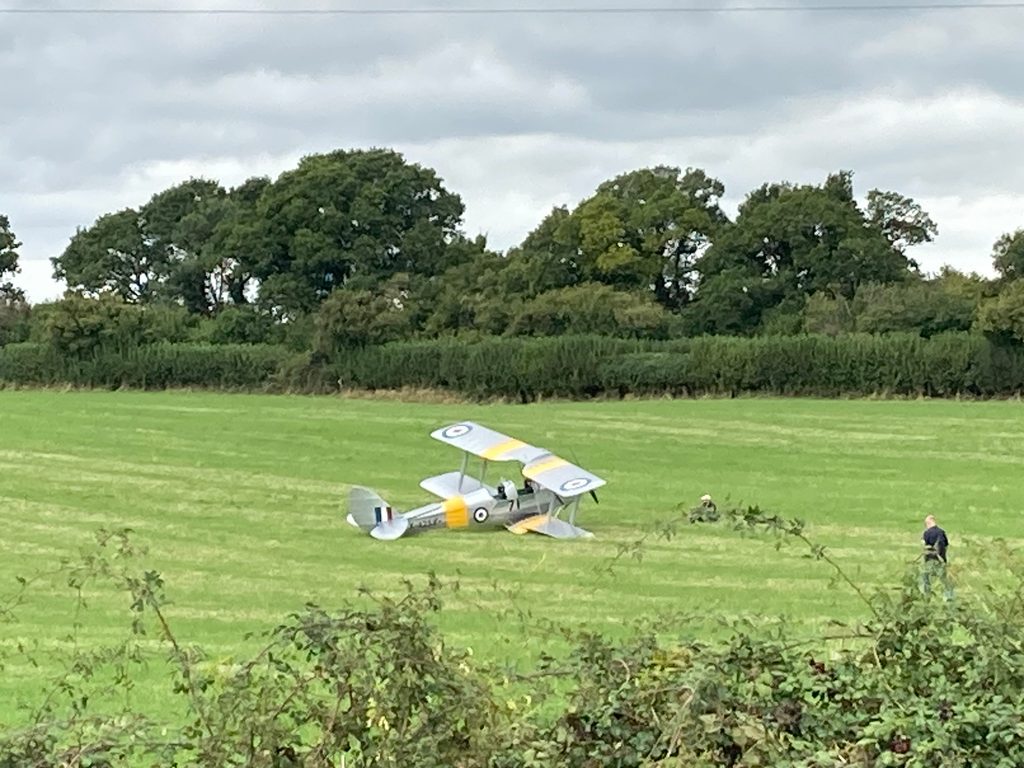
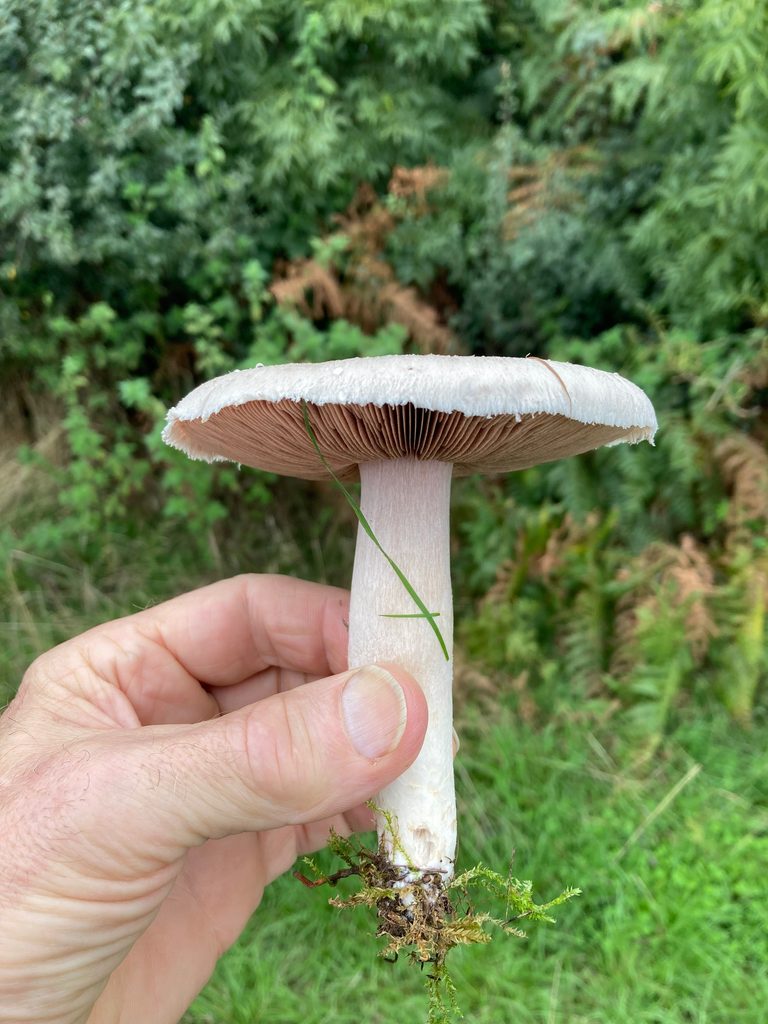
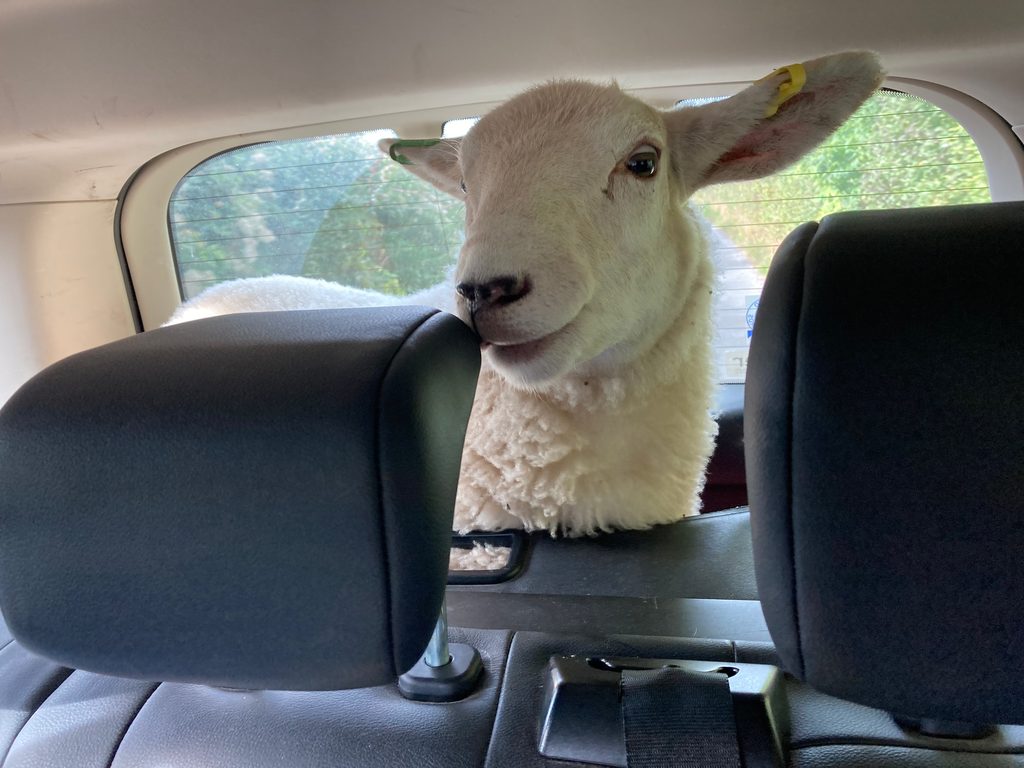
From top to bottom, a splendid year for blackberries; rough old tractor lowers the tone at big posh house; sheep awaiting sorting and hoping for some green grass; sad looking plane in a field near W Kingston; and a fine year for mushrooms too.
Next episode