The View from the Hill 28th April 2022
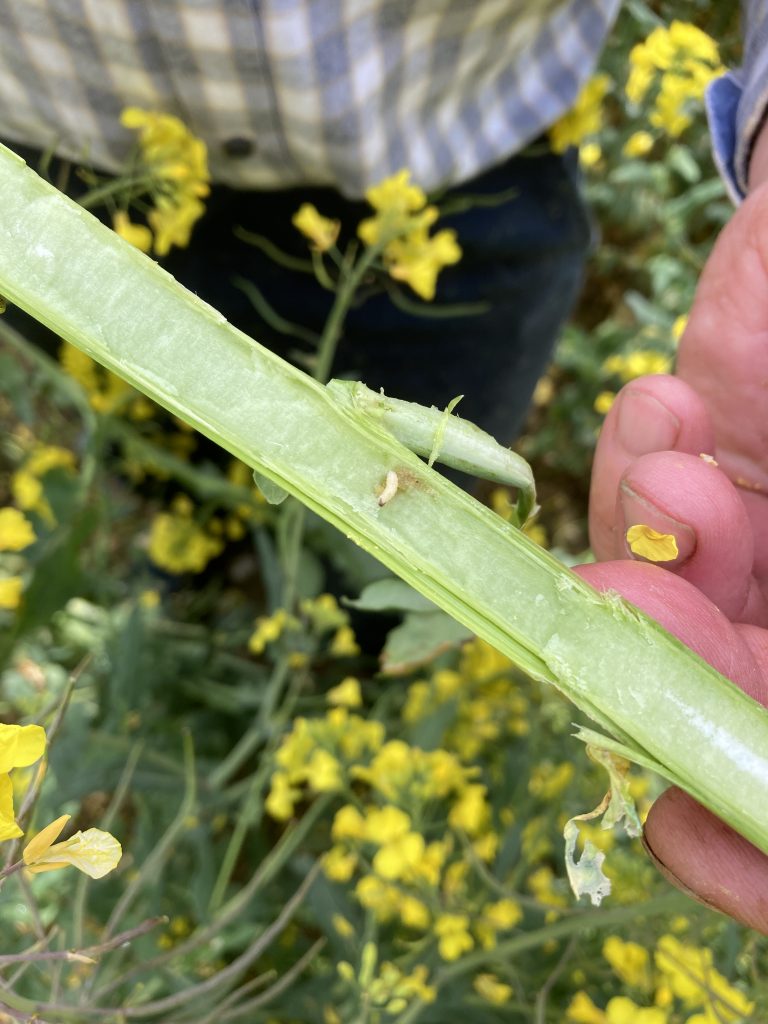
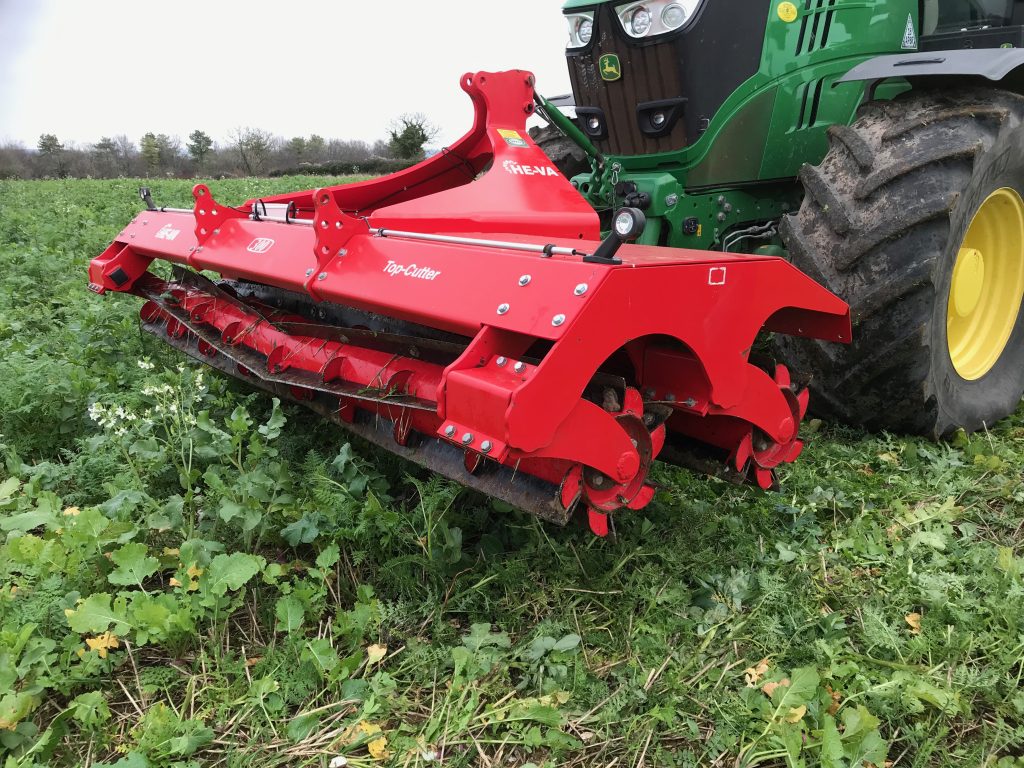
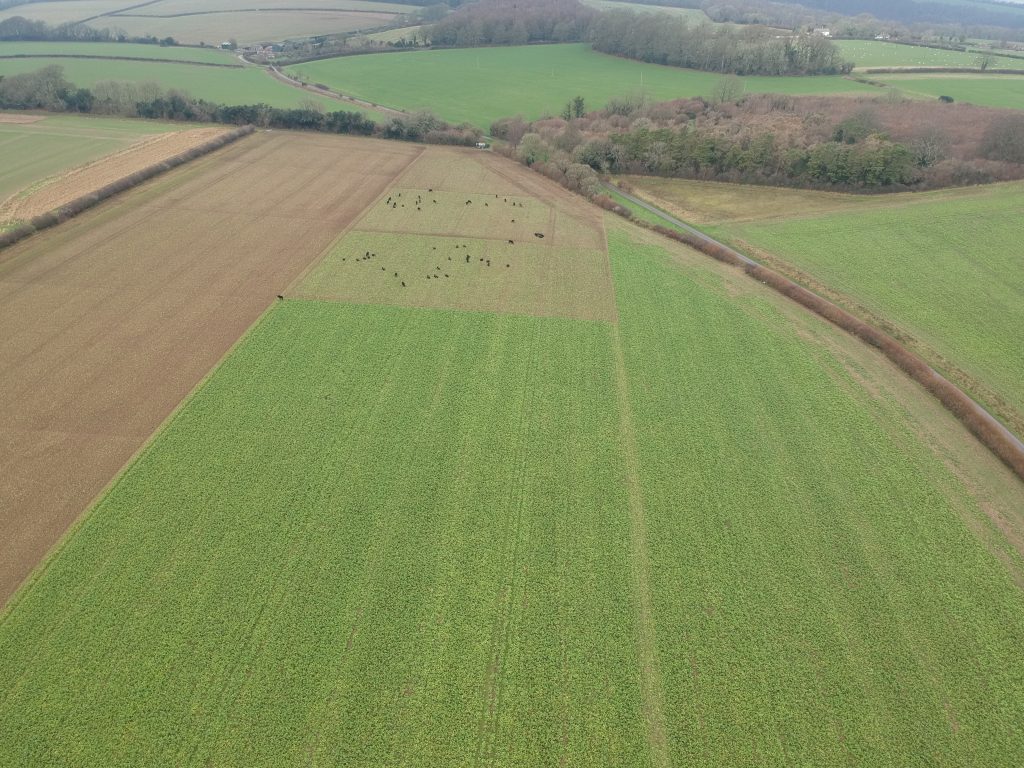
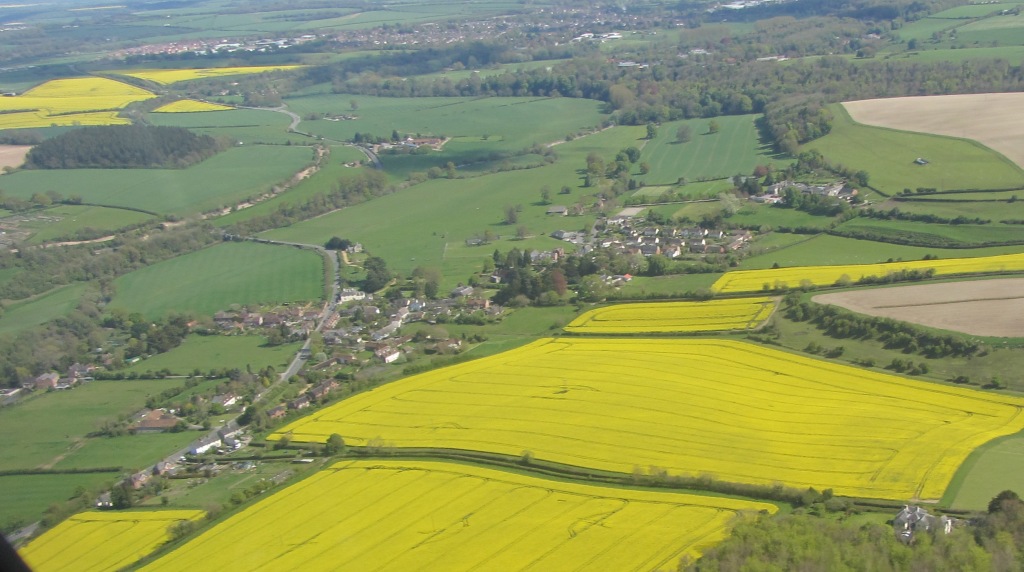
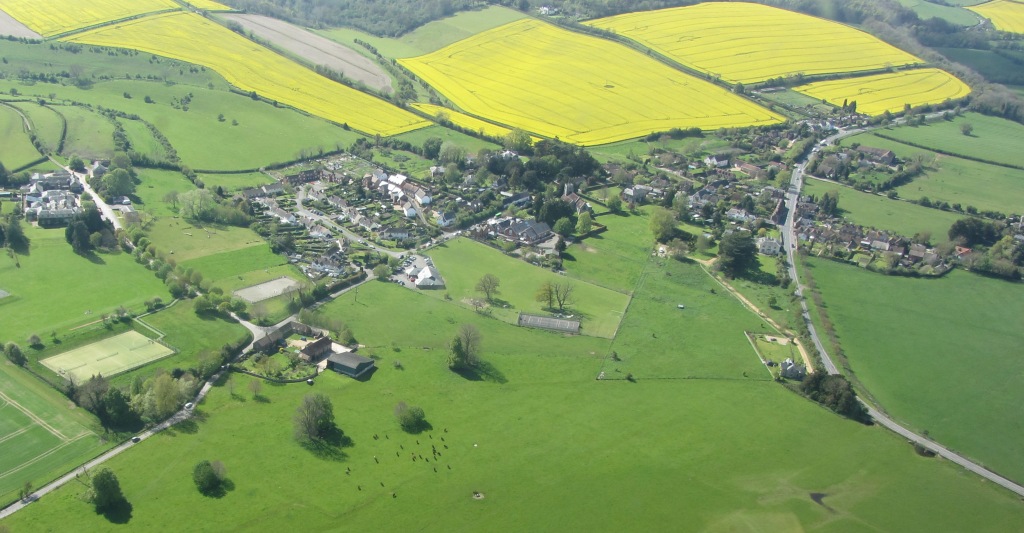
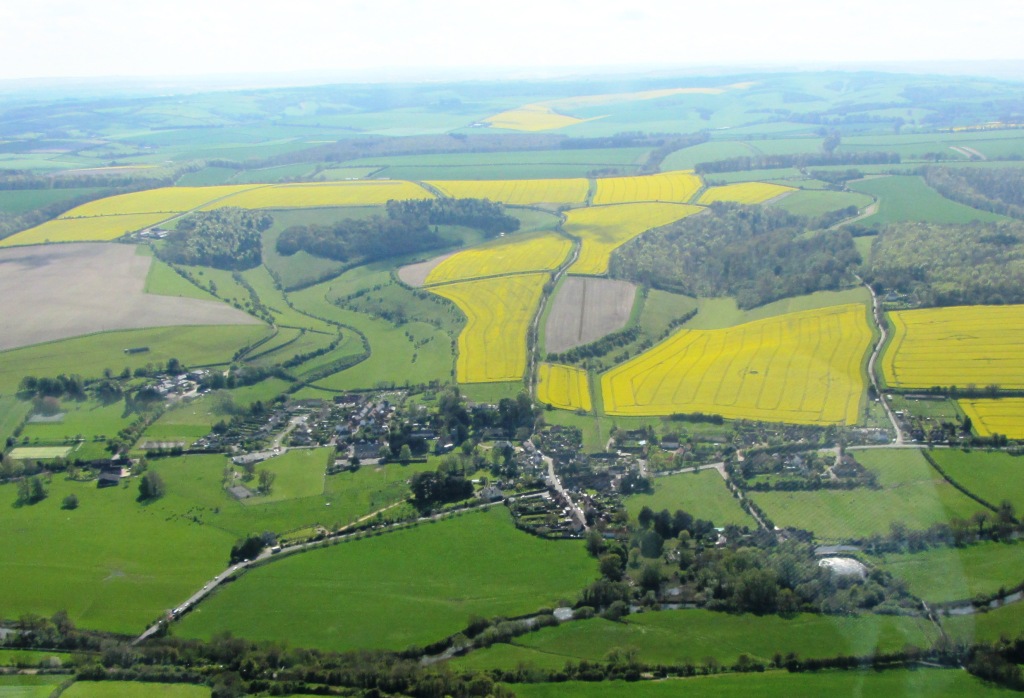
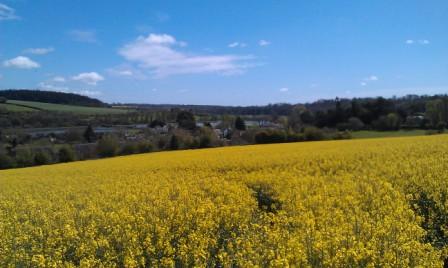
Where have all the flea beetle larvae gone? There we were hunting around in flowering rape for evidence that there had been any flea beetle attack this season, eventually we found one larva embedded in a stem, far short of something to worry about. Long suffering readers of this column have heard my endless tales relating to the different things we have attempted since the neonic ban, to outwit the little devils. We have applied smelly manures, sown companion crops to distract them, sown early, even grazed the rape off with sheep in the hope that the sheep actually eat the larvae in the plants. We ran a field lab with Innovative Farmers 2 years ago, which proved that grazing can indeed reduce larval numbers, but it also proved that grazing reduces yield, no prizes for predicting that. This year we have grazed some, and not grazed the rest, and there is no question that this year the ungrazed is streets ahead of the grazed, in growth stage as well as yield potential. We have recently taken part in a NIAB nationwide survey of larval activity, the results came in last week. Of the 6 fields surveyed, two had been grazed, and 4 had not. The highest larval numbers were found in one of the grazed fields, (9 larvae per plant) and the lowest number was in an ungrazed field (1.5 per plant). In contrast to such contradictory findings, the trial in 2020 had revealed 26 per plant in the ungrazed plot, and 8 per plant in the grazed, more in line with what we had hoped for. Overall numbers were lower in 2021, and are lower still this year, the 4th since forsaking insecticides, can we dare to believe that beneficial predators are making a comeback, now we aren’t repeatedly killing them off ?
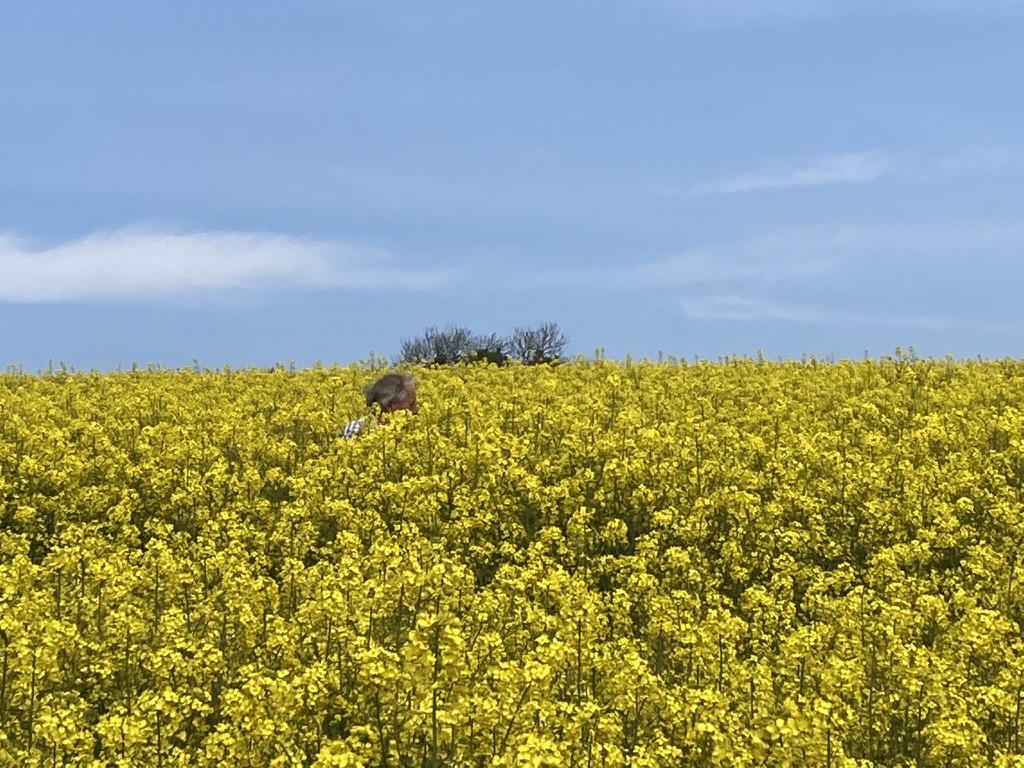
So far there are no clear pointers from the 500 samples collected from rape fields across the country this year, as to which techniques can help combat the beetles most effectively. It remains as clear as mud, with many more questions to be addressed with further research.
The above is but one example that demonstrates the importance of the continuing support of the AHDB (Agriculture and Horticulture Development Boards) for our industry. We are right now at a perilous stage in the evolution of R&D for agriculture, we have had a very good model for support in the sectors of the AHDB, in the form of grower and producer levies on a % of sales, some seem to be more widely supported than others, but I believe passionately that to let them wither, as with the potatoes and horticultural boards, due to largely to levy payer indifference, would be a tragedy. Apparently over 10,000 farmers have registered to vote in the current survey, which I hope is enough to give the result credibility. I do not believe it was wise of the Secretary of State to require this series of votes, which have the ability to destroy whole sectors at a stroke. AHDB evolved from the amalgamation of HGCA with the MLC and all the other sector bodies, and needs to be allowed to continue to evolve, under the guidance of farmers and industry specialists as board members, to be a beacon of excellence in directing levy payers’ funds into agricultural research.
Voting closes on May 9th, before this reaches doormats, I hope as many as possible do their duty.
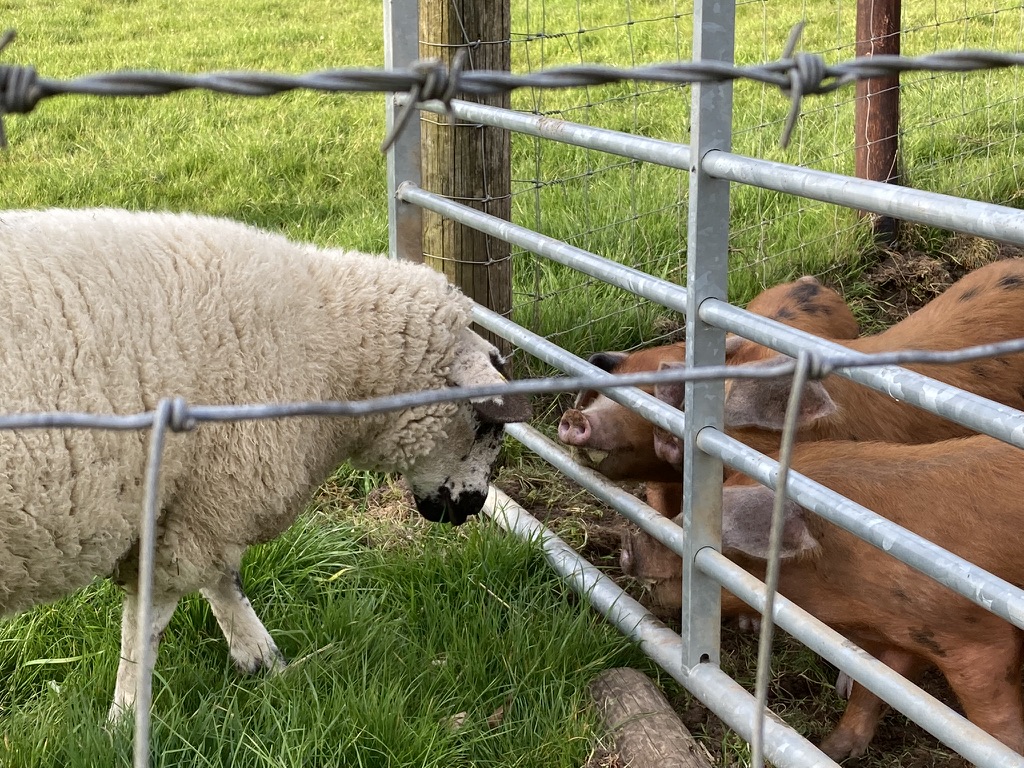
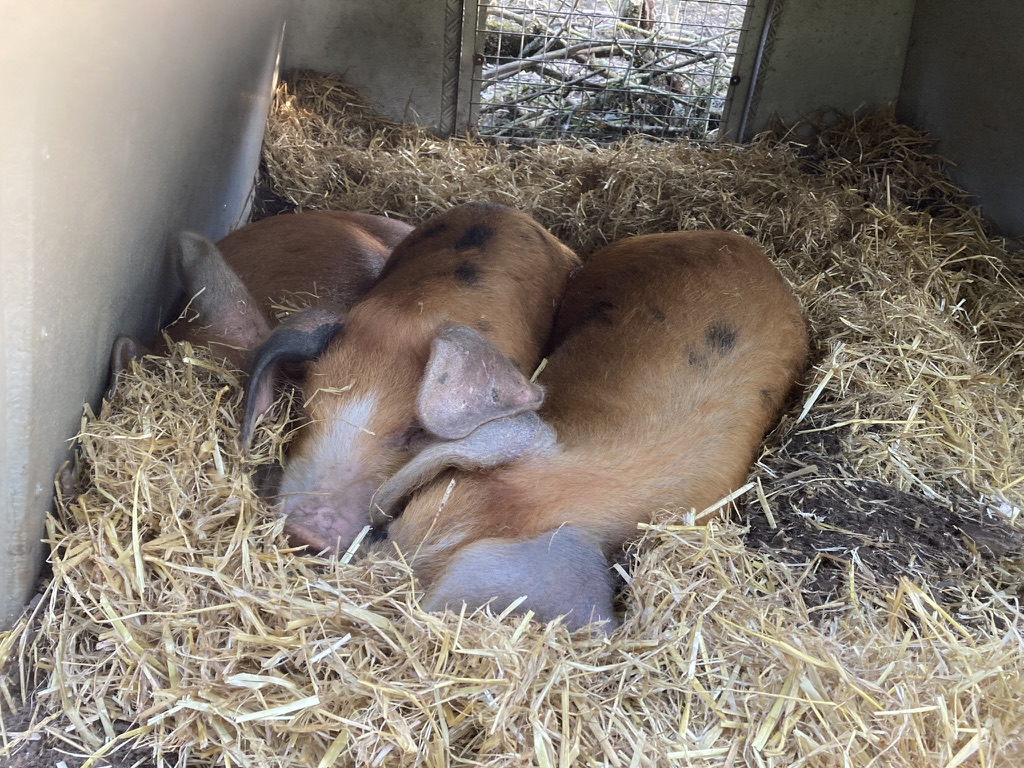
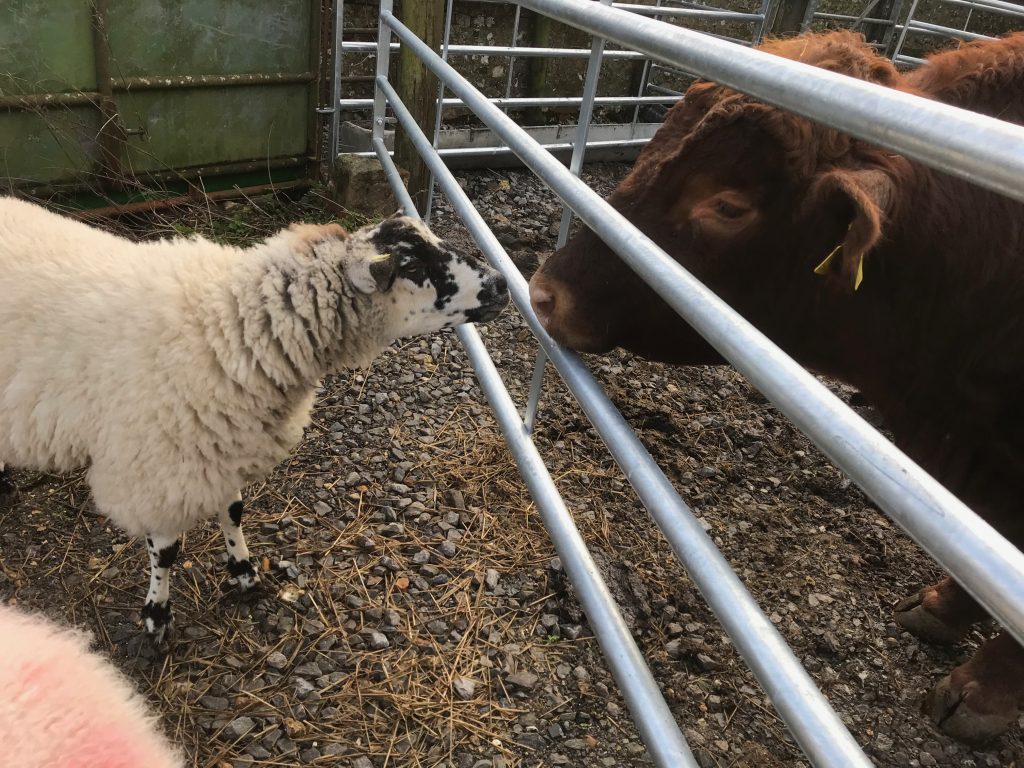
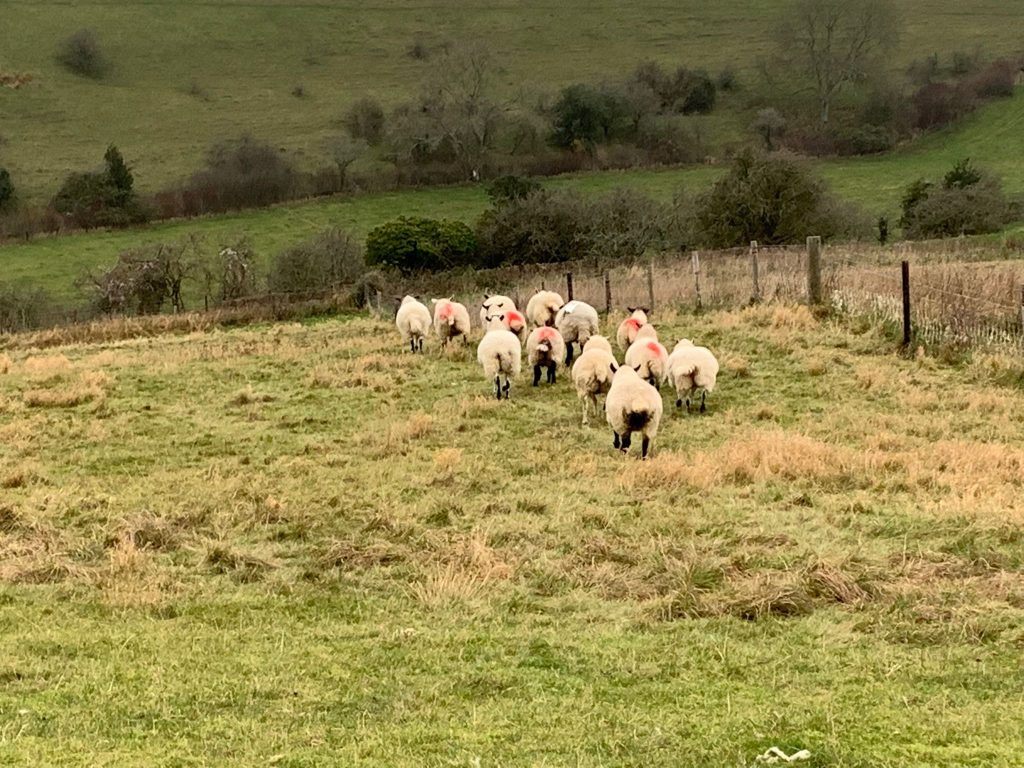
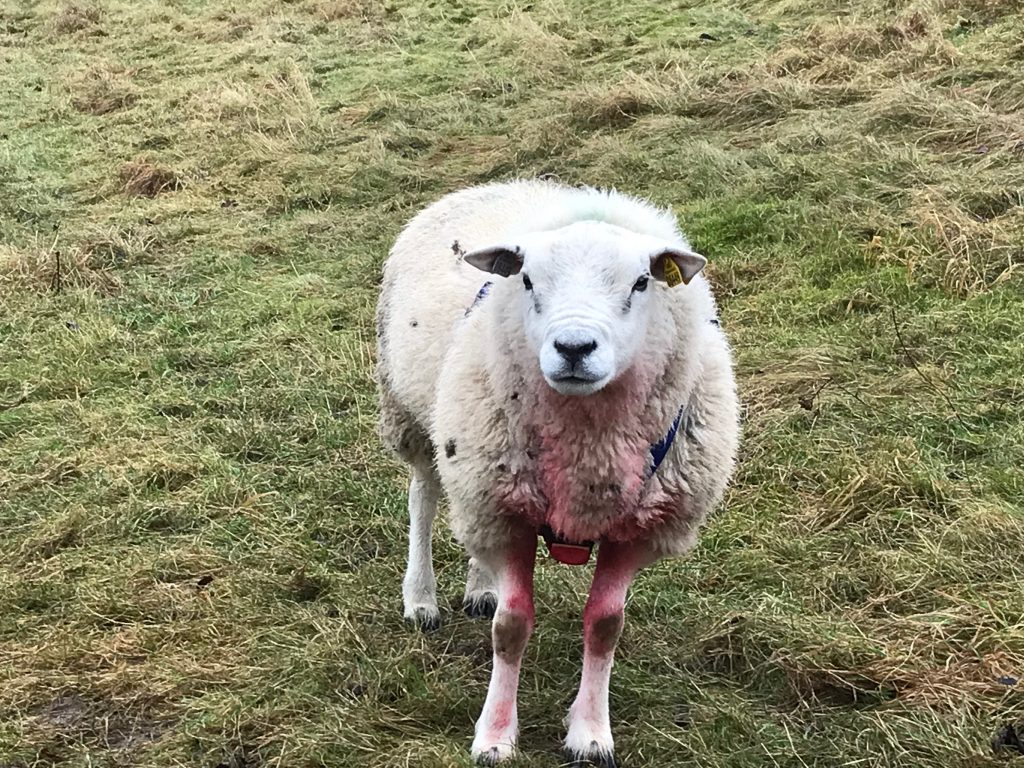
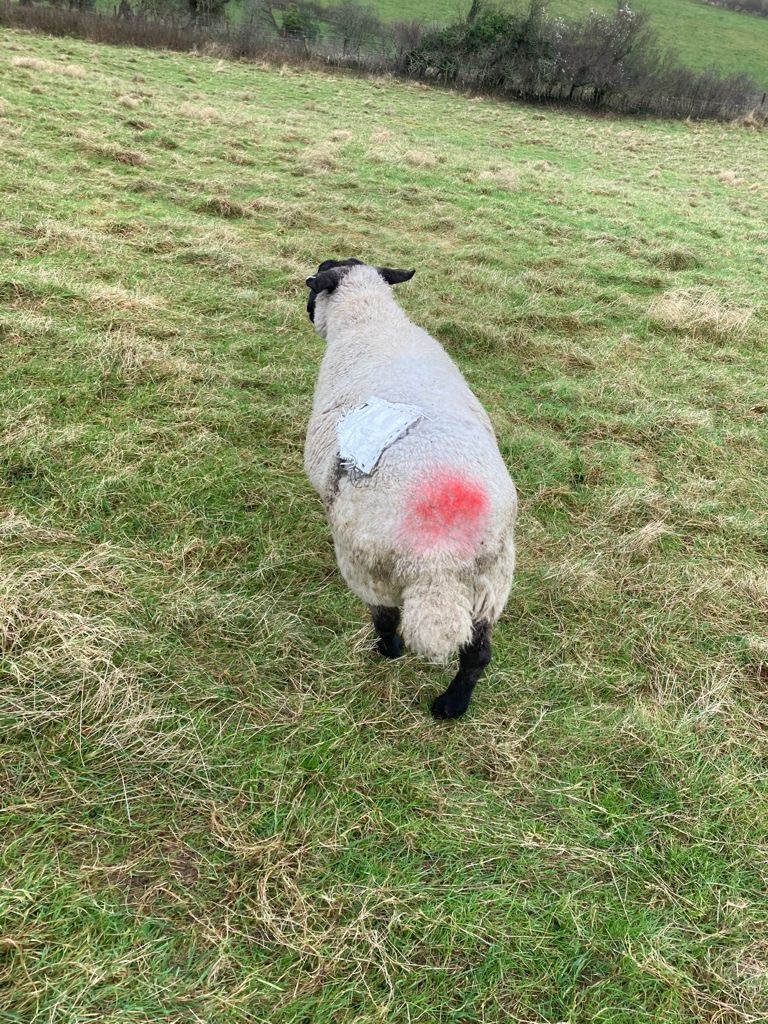
Three new pig shaped arrivals were greeted with disdain by our small tame sheep flock, interest was shown to start with, but a respectful distance is now kept. The pigs were 9 weeks old when they arrived, and are growing fast, the sheep are due to lamb in a couple of weeks. Always late lambers here, the plan is to shear them shortly before lambing, already on the warmer days they end up panting under their thick fleeces.
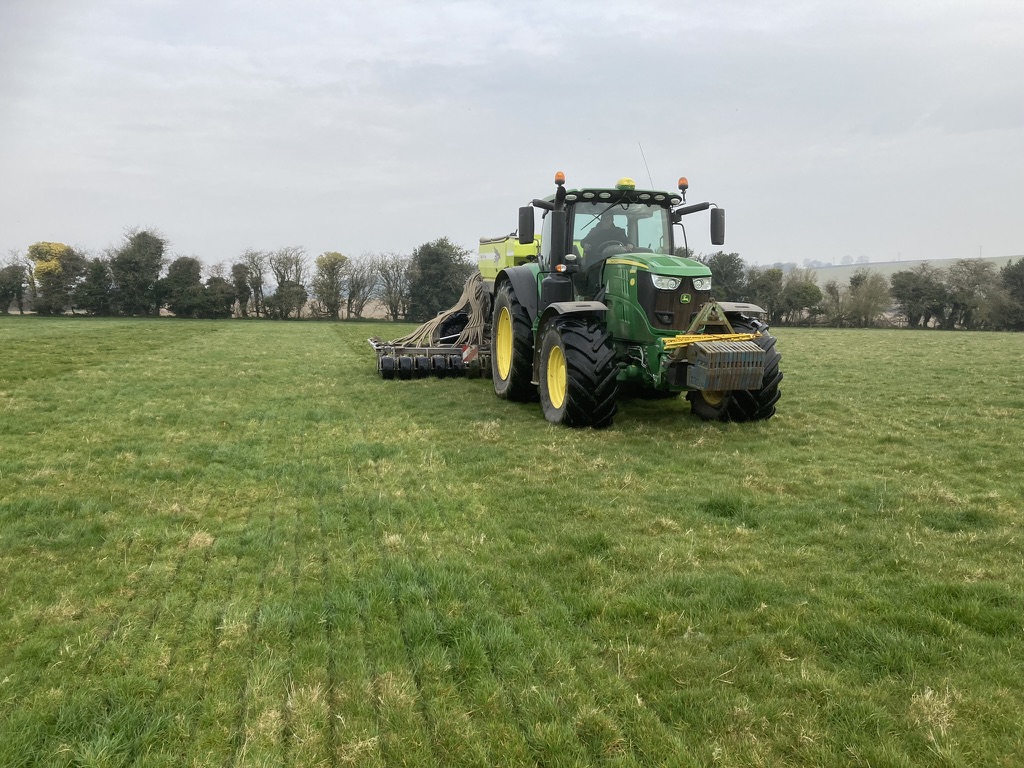
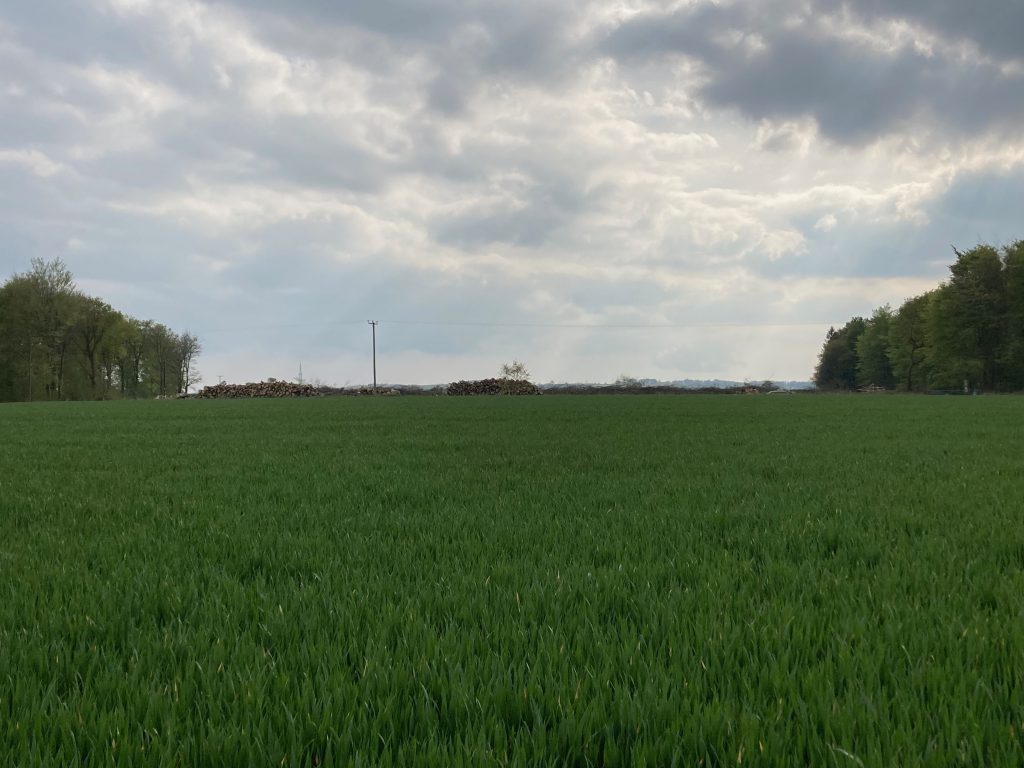
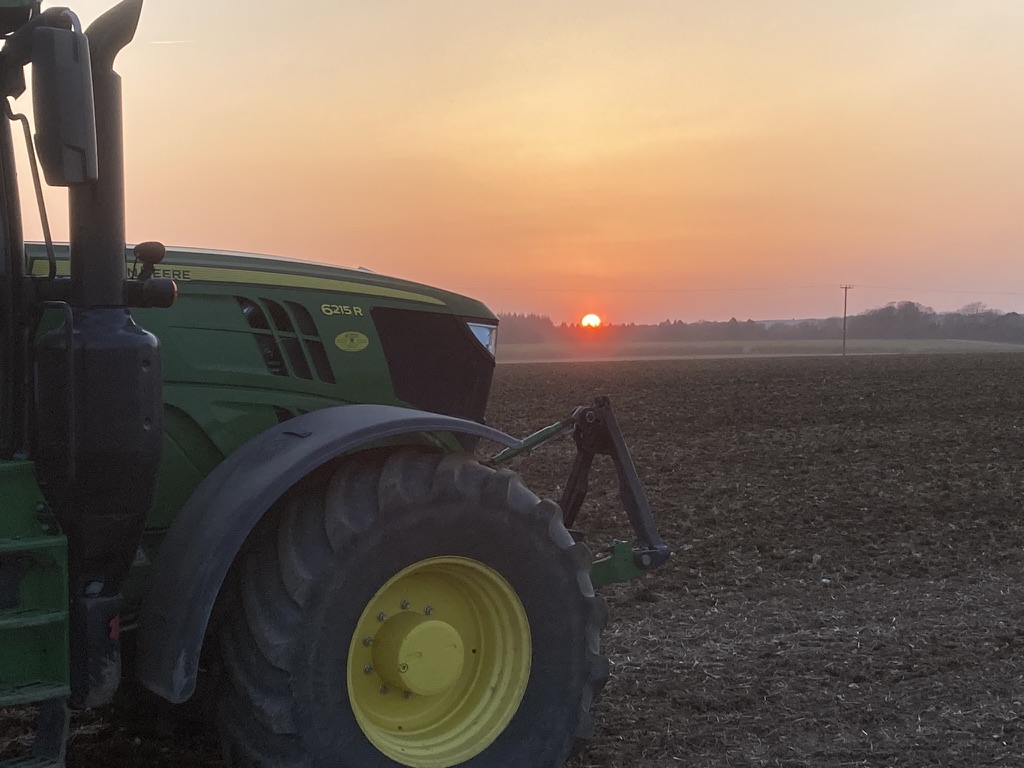
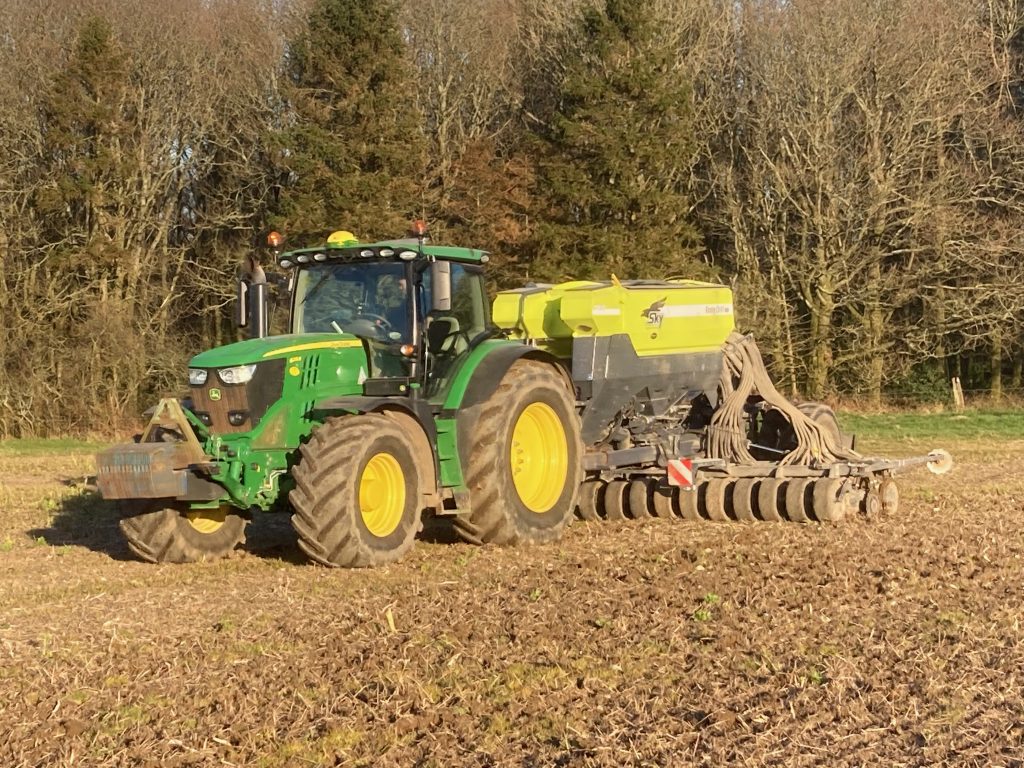
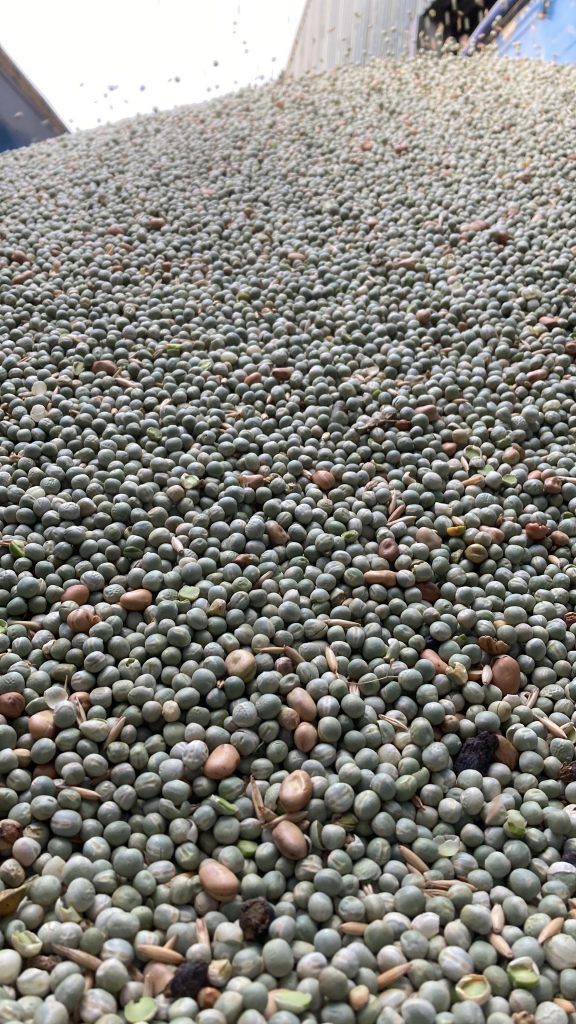
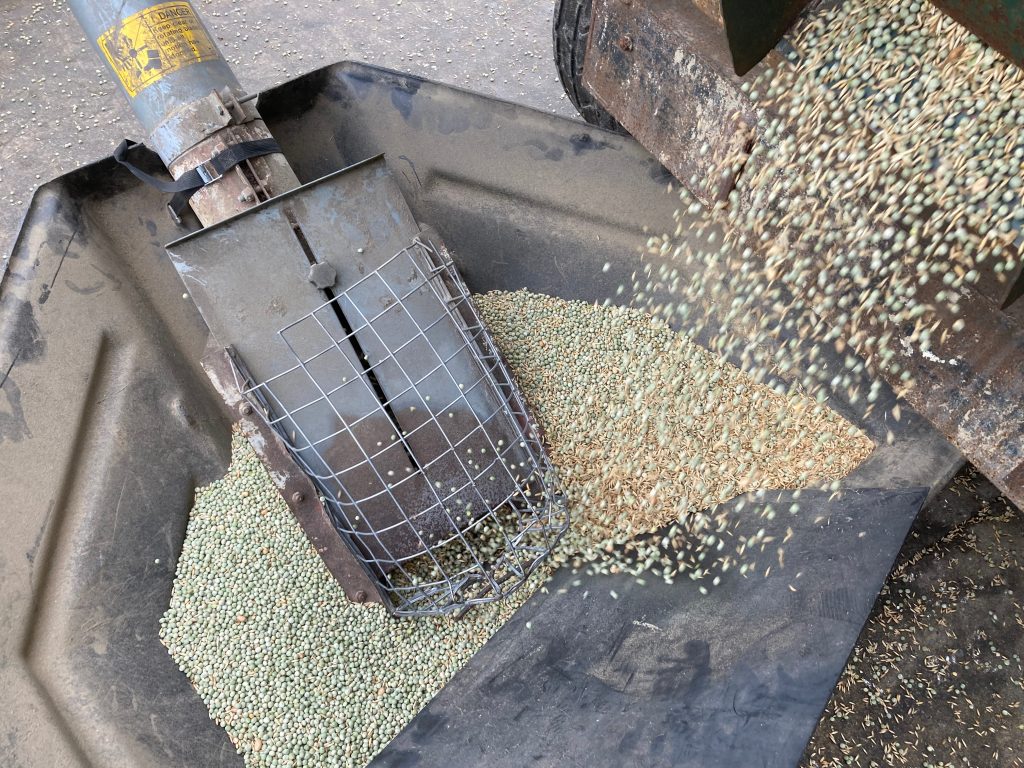
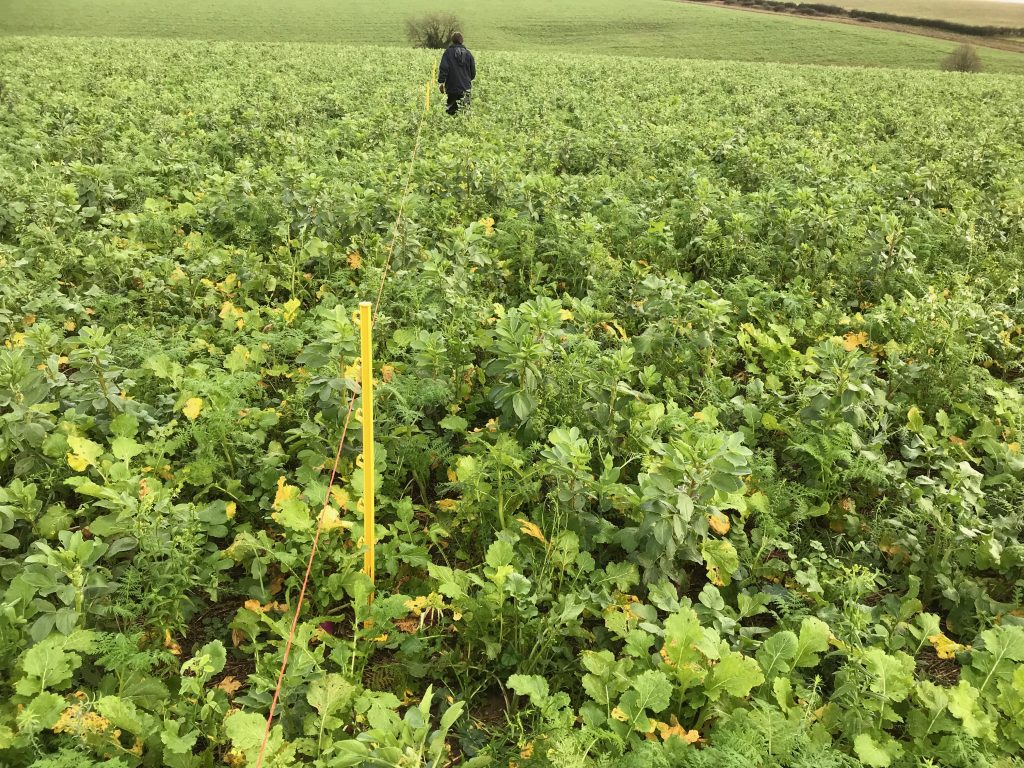
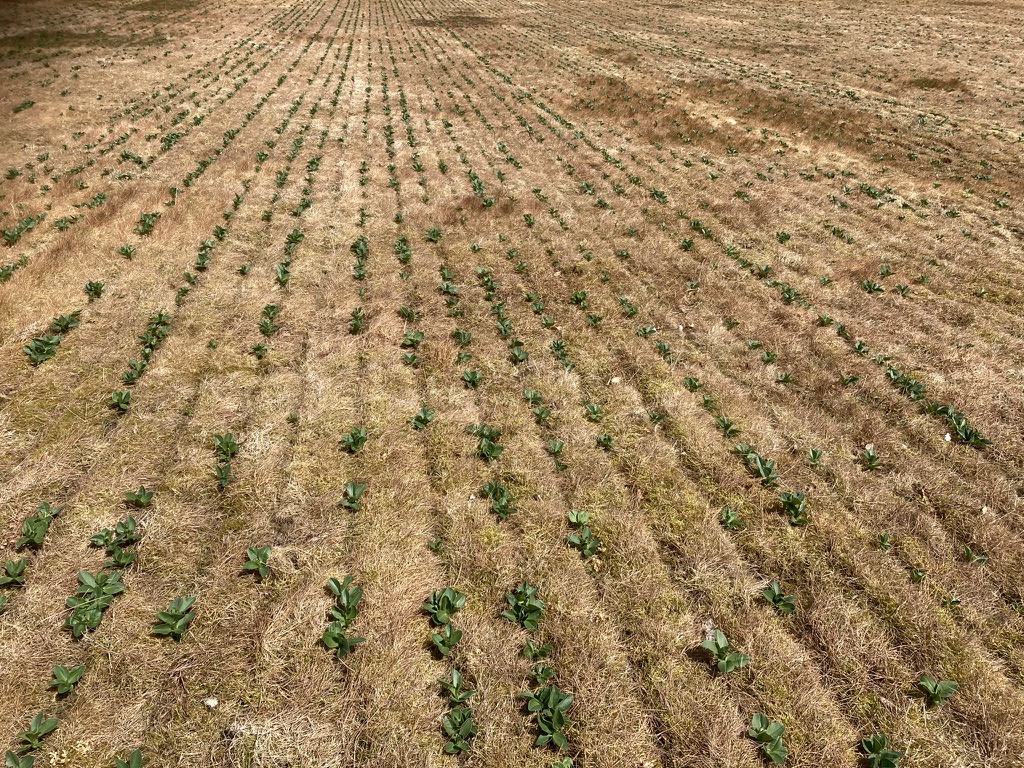
In a vain hope to encourage a bit of rain in May, is it appropriate now, on the 29th of April, to have a good moan about the very dry, cool and windy, weather? Our spring barley is seriously struggling, it was sown into rapidly drying seedbeds, which in spite of our intentions to direct drill had to be cultivated to make a half decent seedbed. A return to the field with a heavy flat roll this week has been required to try to encourage some late germination where there are gaps, and to conserve what little moisture is there. The spring beans, usually more sensitive to lack of moisture than most crops, are holding out at the moment, we managed to direct drill some of them into the kinder soils, and in two small fields we are using them as a break with which to improve some worn out permanent pasture. Direct sowing the beans into the turf has so far worked well, leatherjackets, that would otherwise have demolished a cereal crop, are not interested in beans, and will have hopefully hatched and left the field before we sow a wheat crop in the autumn, before we establish a long term herbal mixture in the following year. Digging down below the turf finds some still usefully moist soil, protected from the wind and sun by the old turf.
Defra have announced some long awaited answers for farmers recently, firstly their response to the urea fertiliser consultation that they issued a year ago, which had left farmers who are accustomed to using urea fertiliser with no idea whether they could buy, let alone use any urea this year. The decision means that previously announced restrictions on the use of urea are being postponed whilst the industry tries to cope with the enormous rise in fertiliser prices that has occurred in the last few months. Urea has traditionally been used as a cheaper form of fertiliser than the more widely used ammonium nitrate, but a major drawback is that it can lead to the emission of more ammonia into the atmosphere than AN, it should be applied only in cooler weather and when there is plenty of moisture about. Both contribute to global warming, but urea is worse. The decision seems likely, in the longer term, to lead to a regime which will restrict urea use, and force farmers to adjust the timing of applications and to only apply it in conjunction with an inhibitor, to help reduce emissions.
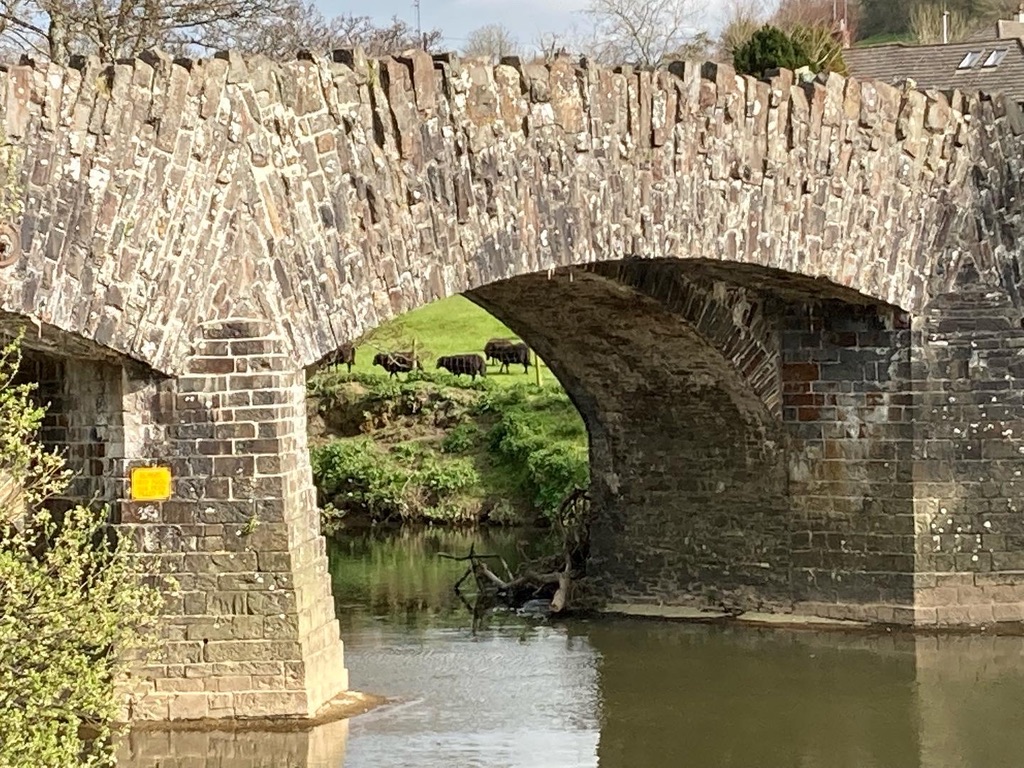
The second announcement relates to the ‘Farming Rules for Water’, devised and policed by the Environment Agency (EA), which aim to control pollution from farmland to waterways and ground water. These rules have been contentious from their inception in 2018, when the EA announced a clampdown on manure spreading in the autumn. The implication was that farmers who produce organic manures would not be able to apply them to any more than a narrow range of permitted crops in autumn, the time when traditionally many millions of tons of manures are applied to newly sown crops, and lots more storage capacity would have to be built to carry it safely through until it could legally be applied in the spring. There are many reasons why this draconian ruling didn’t make sense, and I plan to return to this subject soon, but to put it concisely, DEFRA have asked the EA to look again at this, and work more closely with farmers to make the system more sensible. For a start, they must now acknowledge the difference between high available nitrogen manures, (like neat pig and chicken manures and cow slurry, which have a much greater risk of pollution) and low available nitrogen manures (such as straw based farmyard manures and some digestates, which are lower risk). No farmers intentionally allow their manures to get into water, they are far too valuable to do that, a confrontational approach helps no-one, and I very much hope now that we can move forward with an environmentally responsible, and economically justifiable blend of common sense and practical regulation.
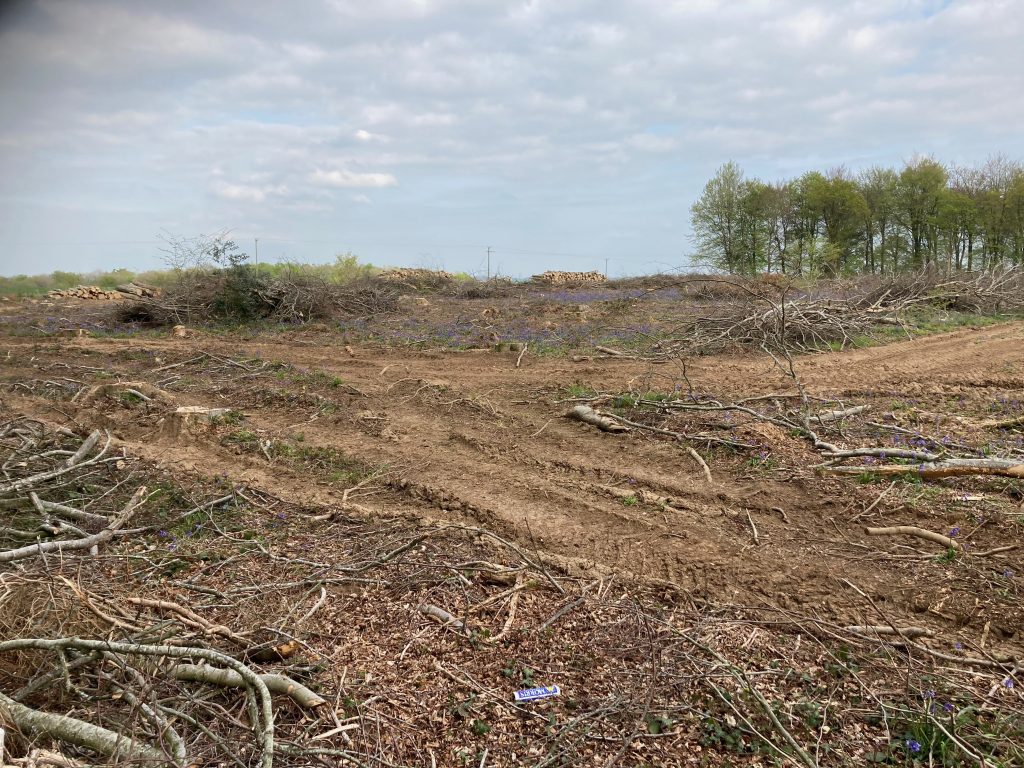
There’s been a bit of clear felling in a small patch of woodland nearby, it is a sorry sight right now, some 5 acres of 60 year old beech trees have been taken down. With luck the land will be replanted with new young trees next winter. Is it really so different from farmers planting seeds every year and harvesting the resulting crop the following year? Why is it though, that leaving a mess in freshly harvested fields like this seems to be ok for foresters, but if farmers made such a mess they would expect be in big trouble. The damage to the soil, otherwise undisturbed for many decades, is not pretty or good for soil health. As a farmer one doesn’t try to work on the land when it is sodden, so why is it that foresters think it is ok?
The UK imports 80% of the timber it needs, we have many forestry plantations and clearly need more, if we want to become a little less dependent on imports, so we need to accept that from time to time trees have to be cut down. Thinning operations don’t look as violent as a clear fell, which of course is the final stage when the trees are at their economical optimum. Some might argue that all the carbon stored in the trees should be left there, but if we accept that the land has to earn a living for its owner, then like on a farm, the forest will need to be harvested. The government is launching initiatives to encourage tree planting, what is important is that the trees are the right sort, and in the right place and pests such as squirrels and deer will need to be dealt with, otherwise the trees will not reach a useful mature shape and size.